
How to tell when your houseplant needs water
Four simple ways to check whether your plant really needs water, and how to spot overwatering.
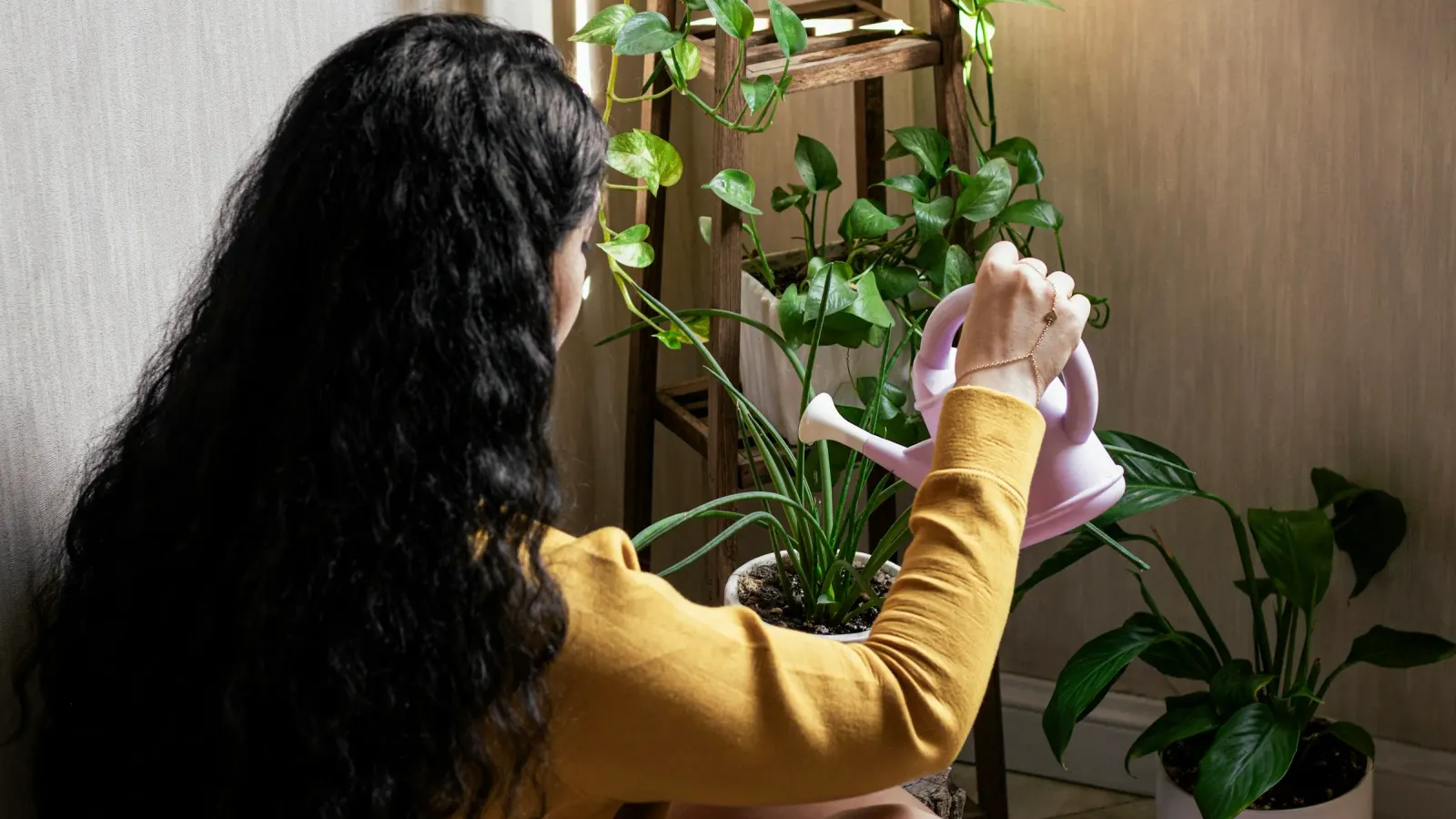
Most houseplants don't die of thirst. They die from getting water too often. Utah State University calls overwatering likely the number one killer of houseplants.
The good news is that it's easy to avoid: water when the plant needs it, not because the calendar says it's Monday.
Why a watering schedule doesn't work
How fast the soil dries out depends on the light in the room, the temperature, the size of the pot and the plant itself. A cactus on a sunny windowsill and a fern in the bathroom have completely different needs.
Even the same plant needs water less often in winter, when it grows more slowly, than in summer. That's why it pays to check the soil before every watering.
4 ways to check if your plant needs water
1. The finger test
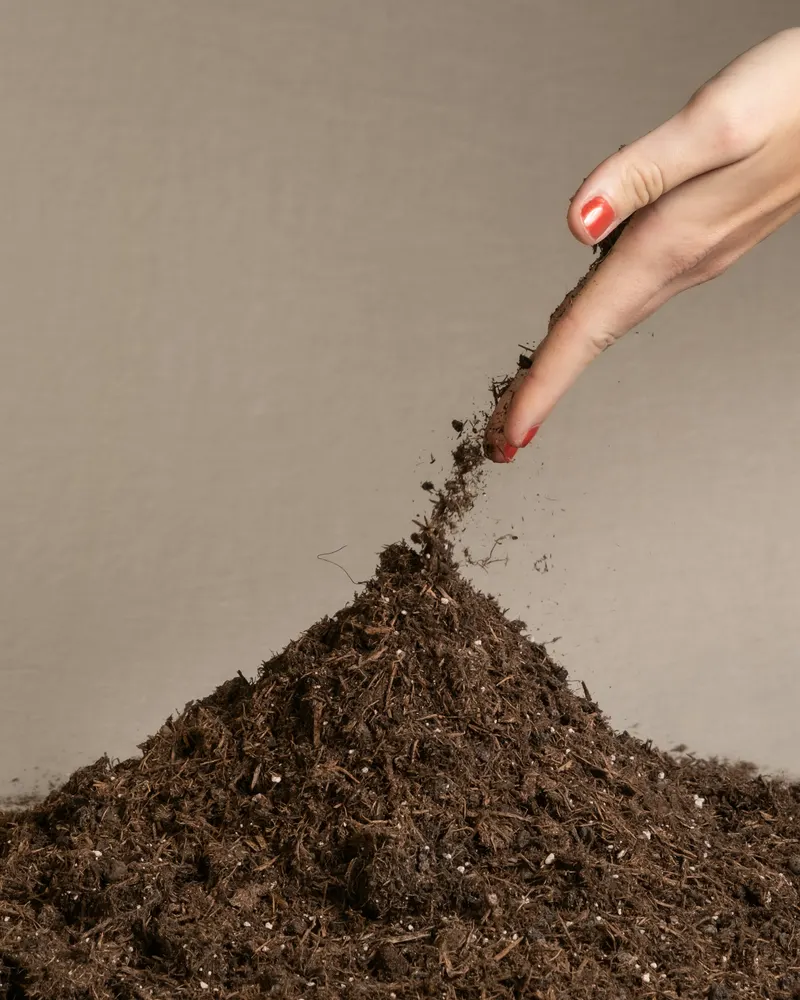
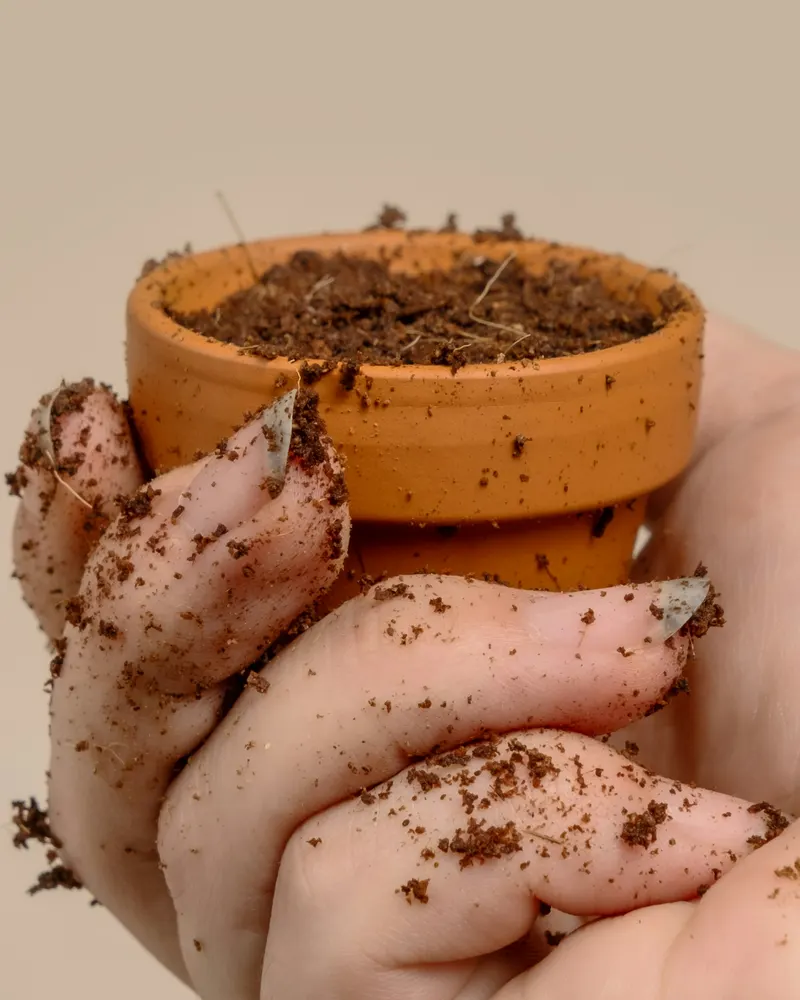
Push a finger at least 2 to 3 cm into the soil. If it still feels moist at that depth, wait. If it's dry, it's time to water.
In bigger pots go deeper, because the surface dries out much sooner than the rest of the soil.
2. Colour and look of the soil
Light, cracked soil that has pulled away from the edge of the pot is too dry. Dark, slimy soil means there's too much water.
3. Weight of the pot
Lift the pot right after watering so you know how heavy it is with moist soil. When it later feels noticeably lighter, the soil has dried out. After a few weeks you'll judge it without thinking.
4. A soil moisture meter
If you don't want to guess, a moisture meter tells you exactly how wet the soil is. You push it into the soil and get a number instead of a feeling.
We're building one too. BloomSense is still in development, and the prototype measured soil moisture about once an hour.
How much moisture different plants need
In the Blooma app we sort plants into five groups by how much water they need. Each group has a soil moisture range where the plant does best:
| Group | Ideal soil moisture |
|---|---|
| Desert plants, e.g. cactus | 10 to 30% |
| Low water needs, e.g. snake plant | 15 to 40% |
| Medium water needs | 25 to 55% |
| High water needs, e.g. fern | 35 to 65% |
| Moisture-loving plants | 45 to 80% |
These are the ranges our app works with, not a universal rule. They do show the main point though: you can't water a cactus and a fern the same way.
Signs you're overwatering
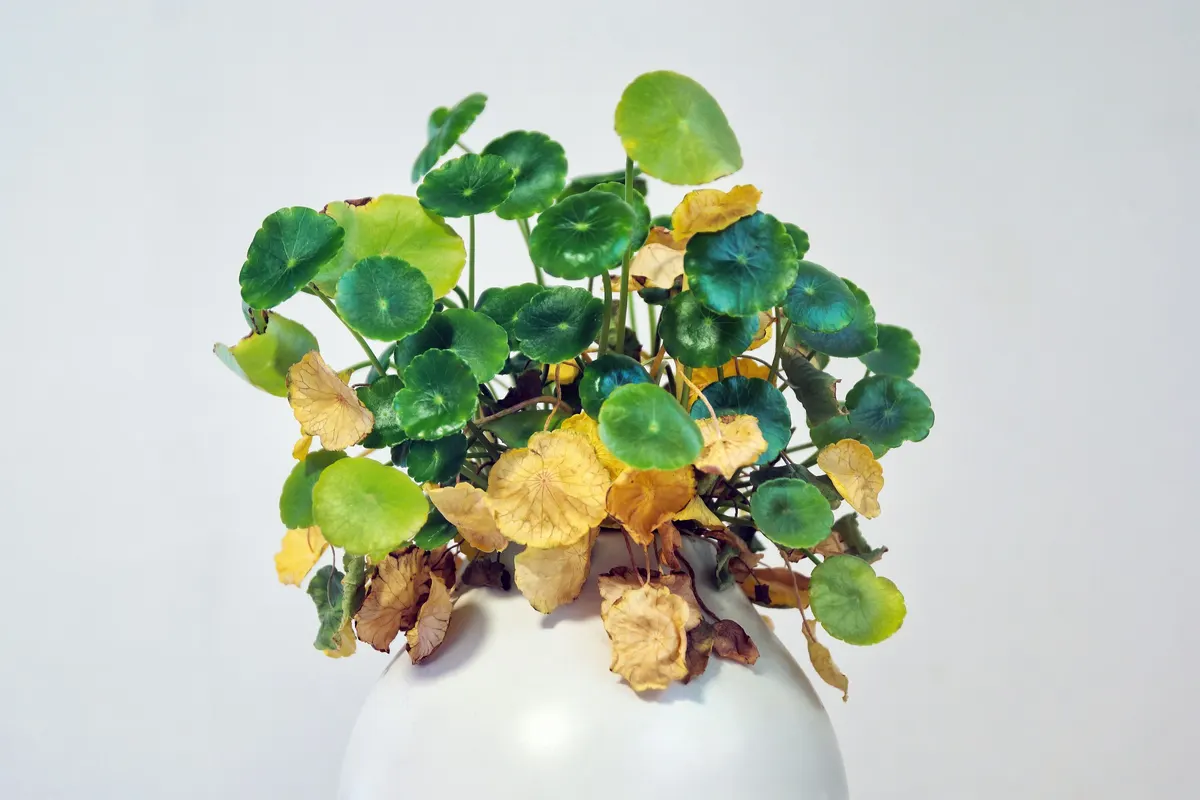
According to Iowa State University, typical signs of overwatering are:
- yellowing or browning leaves,
- dropping leaves,
- wilting even though the soil is wet,
- rot at the base of the stem,
- fungus gnats, the small black flies hovering over the soil.
Watch out for wilting in particular. A plant can wilt because its roots are rotting in wet soil and can no longer take up water. Watering it again at that point only makes things worse. So always check the soil first.
Use a pot with drainage
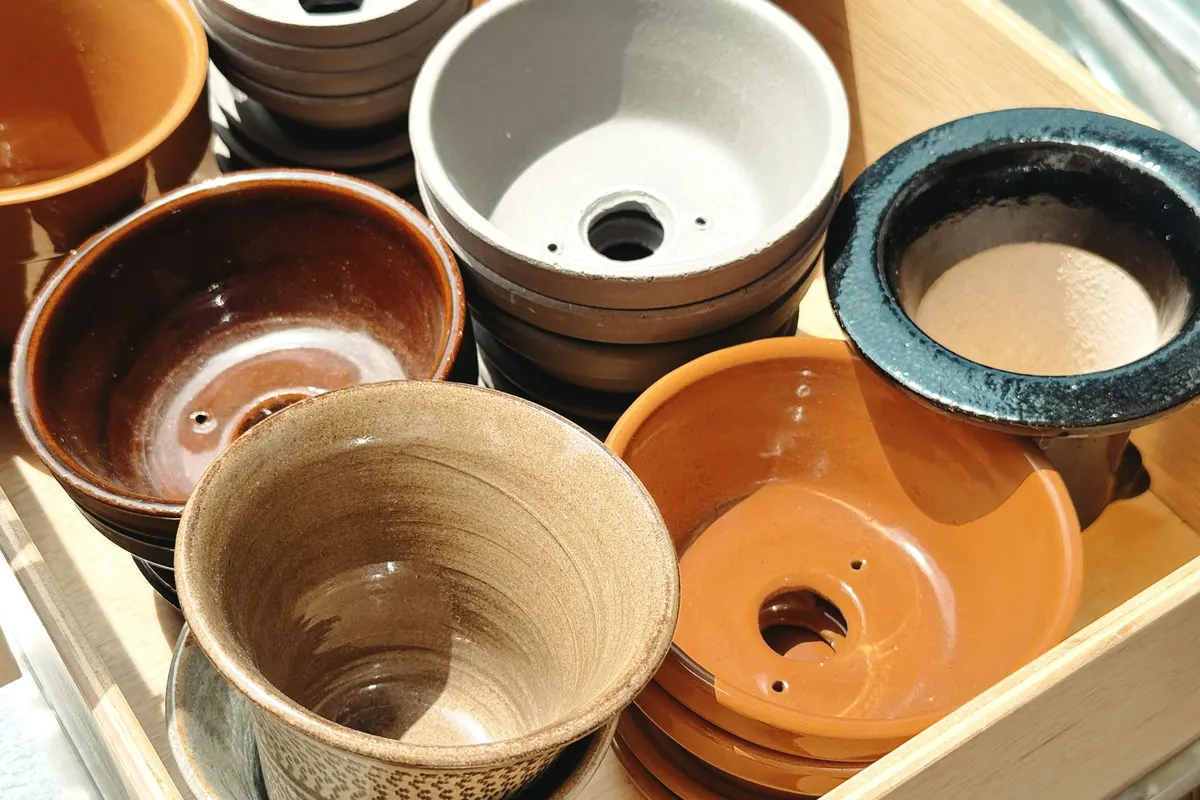
Even perfectly timed watering won't help if the water has nowhere to go. The pot should have a hole in the bottom, and the plant shouldn't sit in water in a saucer or a decorative outer pot. Empty the saucer after watering.
In short
- Water by the soil, not by the calendar.
- Check the soil before watering: with your finger, by looking, or with a moisture meter.
- If you're not sure, wait another day. A dry plant is much easier to save than one with rotting roots.
Sources
- Iowa State University Extension: Diagnosing Houseplant Problems Related to Poor Culture
- Utah State University Extension: Help for Houseplants