
Houseplants safe for cats and dogs
Spider plants, calatheas and moth orchids are safe for pets. Peace lilies, pothos and aloe are not, and lilies can kill a cat.
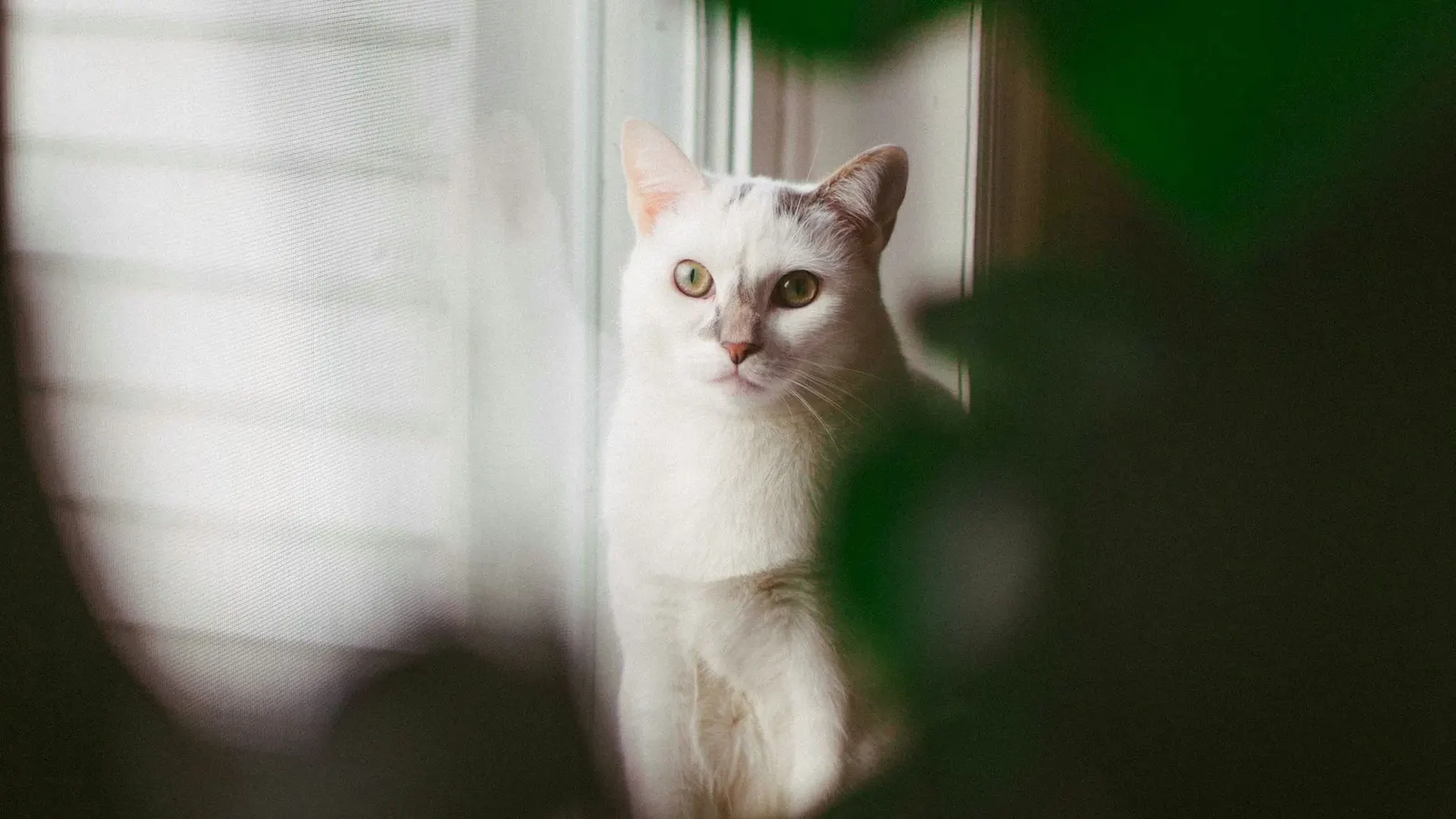
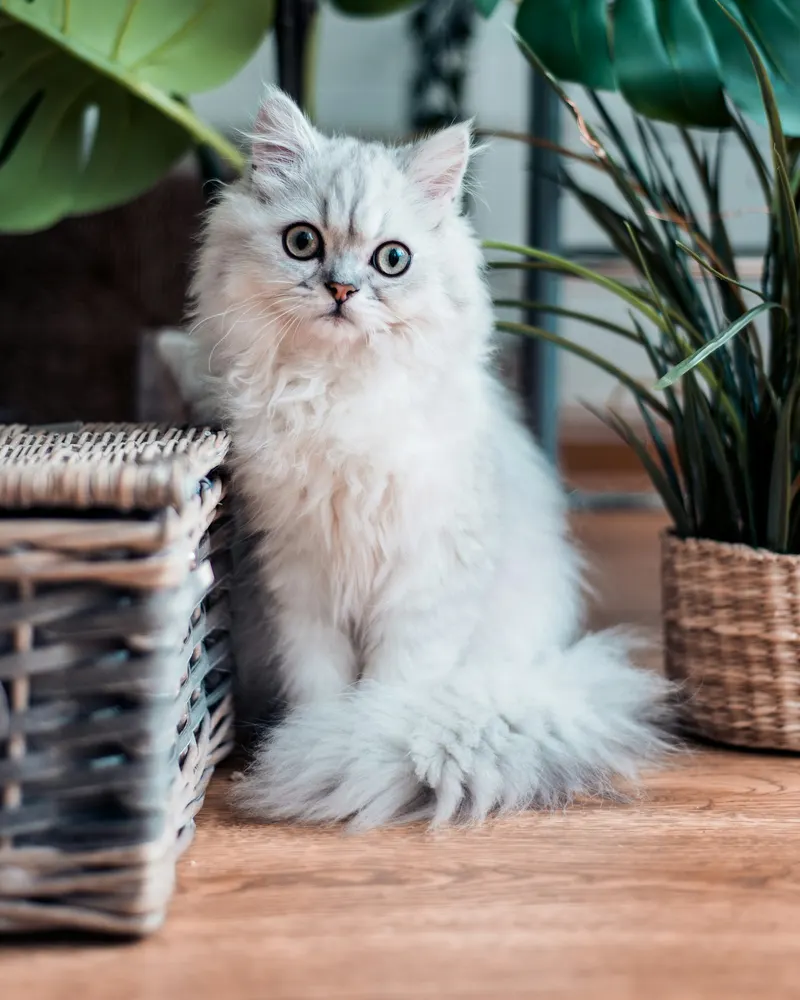
Cats love to chew on leaves, and young dogs will taste almost anything. If you share your home with a pet, it's worth knowing which plants are safe for it and which aren't.
Some popular houseplants irritate the mouth and stomach, and with lilies a cat's life is at stake.
For every plant in this post we checked the toxic and non-toxic plant database of the ASPCA, run by its Animal Poison Control Center. Where a plant isn't in that database, we name another source.
Plants safe for cats and dogs
The ASPCA lists these plants as non-toxic to both cats and dogs:
| Plant | Latin name | Note |
|---|---|---|
| Spider plant | Chlorophytum comosum | easy, grows fast |
| Calathea | Calathea spp. | needs higher humidity |
| Moth orchid | Phalaenopsis | the most common orchid in shops |
| Boston fern | Nephrolepis exaltata | likes humidity and partial shade |
| Peperomia (baby rubber plant) | Peperomia obtusifolia | small, good for a windowsill |
A note on peperomia: the ASPCA lists the species Peperomia obtusifolia. There are many peperomia species and we haven't checked all of them in the database.
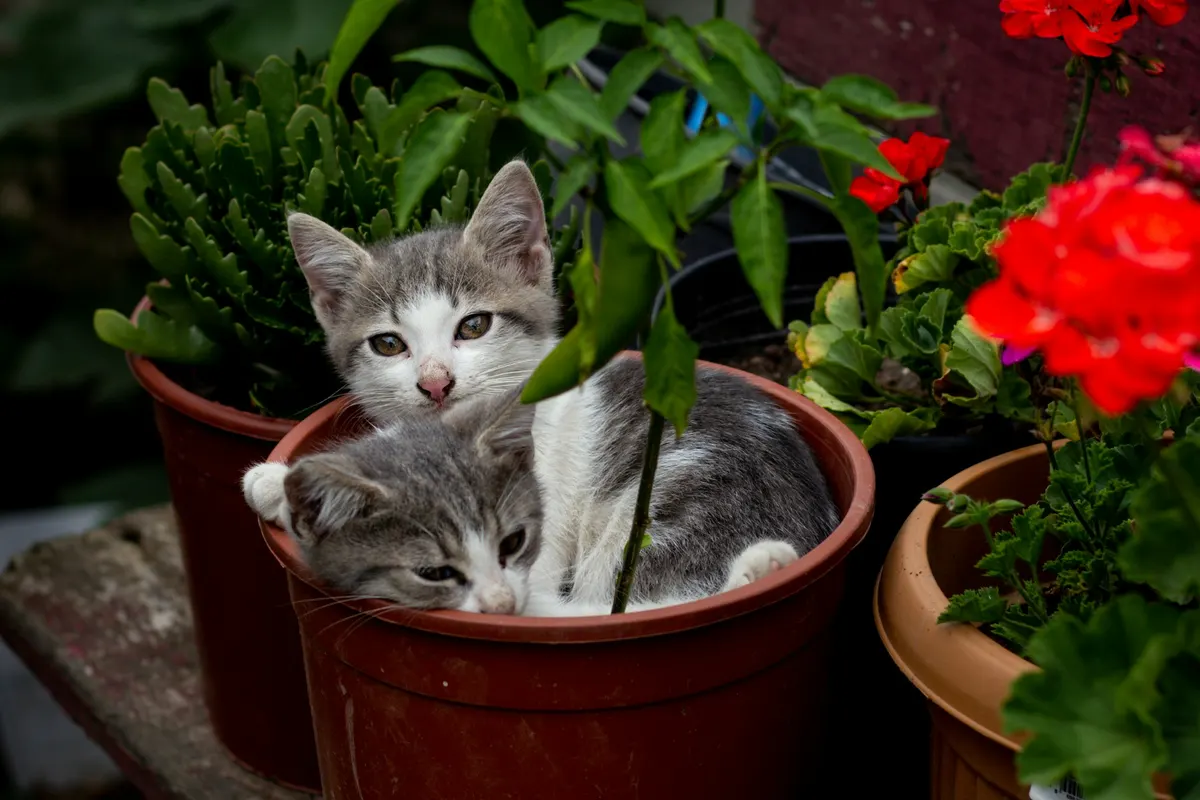
Toxic plants common in homes
These plants are toxic to both cats and dogs. Most of these poisonings aren't fatal, but your pet can suffer and a trip to the vet is in order.
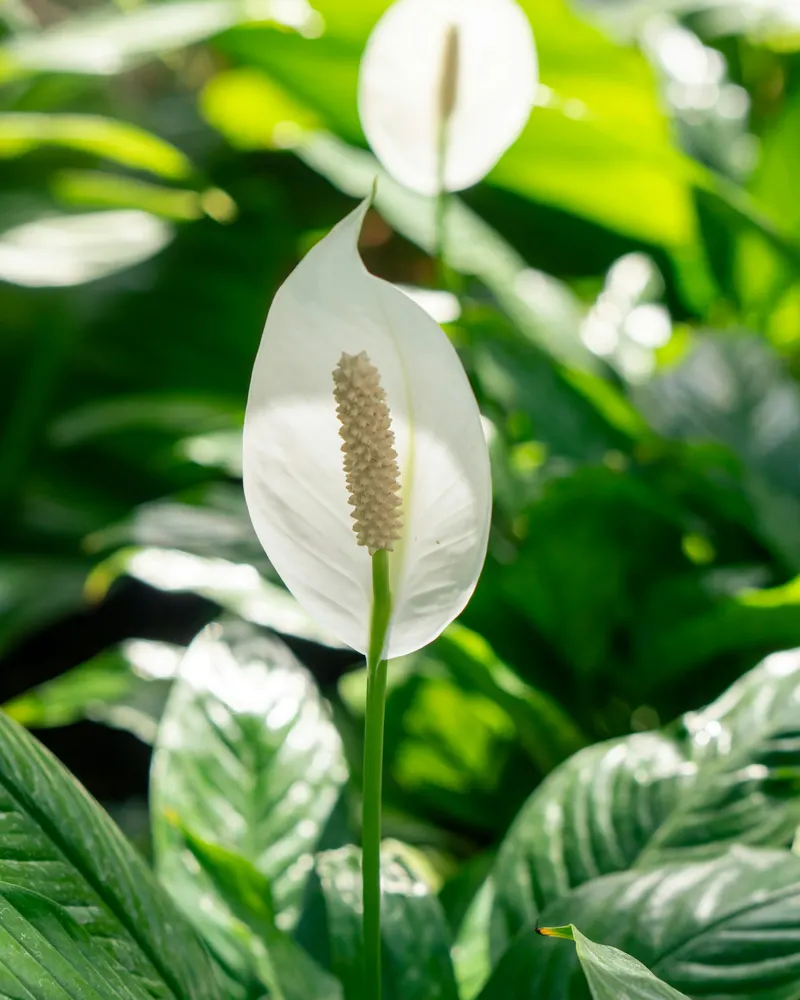
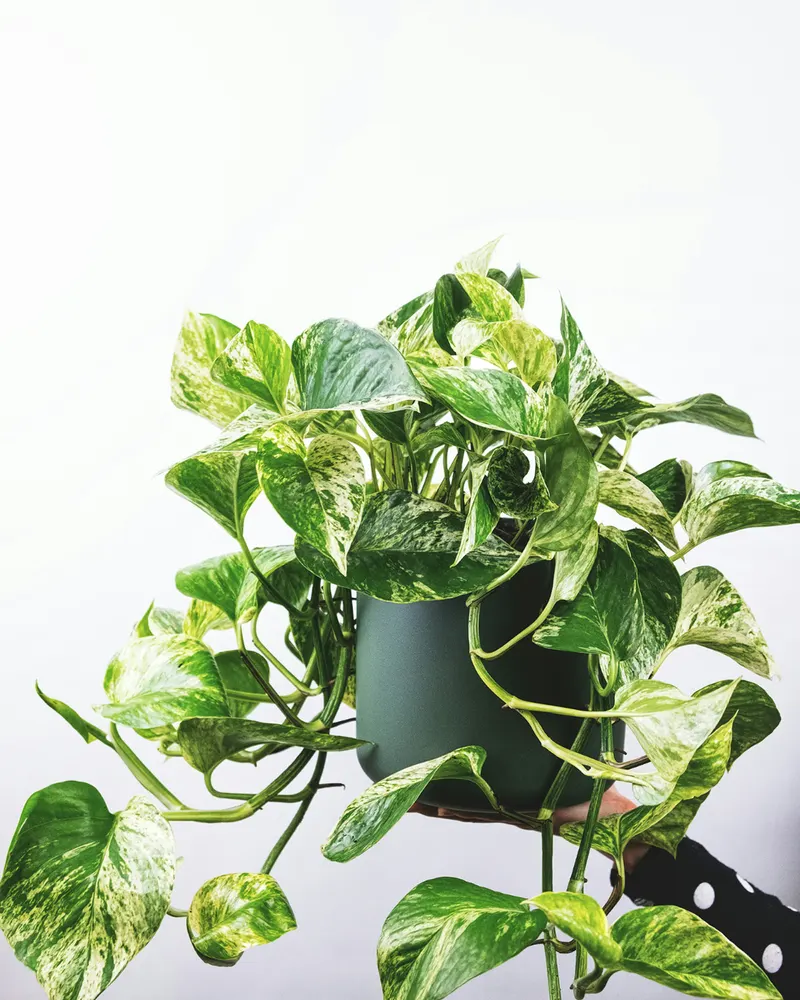
Peace lily, pothos and dieffenbachia
All three contain insoluble calcium oxalate crystals. According to the ASPCA, they cause irritation and burning of the mouth, tongue and lips, excessive drooling, vomiting and difficulty swallowing.
Despite its name, the peace lily isn't a true lily and doesn't cause kidney failure the way the lilies below do. It still irritates the mouth.
ZZ plant
We didn't find the ZZ plant (Zamioculcas) in the ASPCA database. North Carolina State University lists it as having medium toxicity in its plant database. The toxin is in the leaves (again calcium oxalate), and eating larger amounts of them can cause vomiting and diarrhoea.
Aloe
According to the ASPCA, aloe is toxic to dogs and cats. It contains saponins and anthraquinones, and the signs are vomiting, lethargy and diarrhoea. The ASPCA also notes that the gel itself is considered edible. The problem is the rest of the leaf.
Snake plant
The snake plant (Sansevieria) contains saponins. The ASPCA lists nausea, vomiting and diarrhoea as signs.
Poinsettia
The poinsettia has a worse reputation than it deserves. The ASPCA lists it as toxic, but says its milky sap mainly irritates the mouth and stomach, sometimes causing vomiting. More in How to care for a poinsettia.
Lilies: the biggest danger for cats
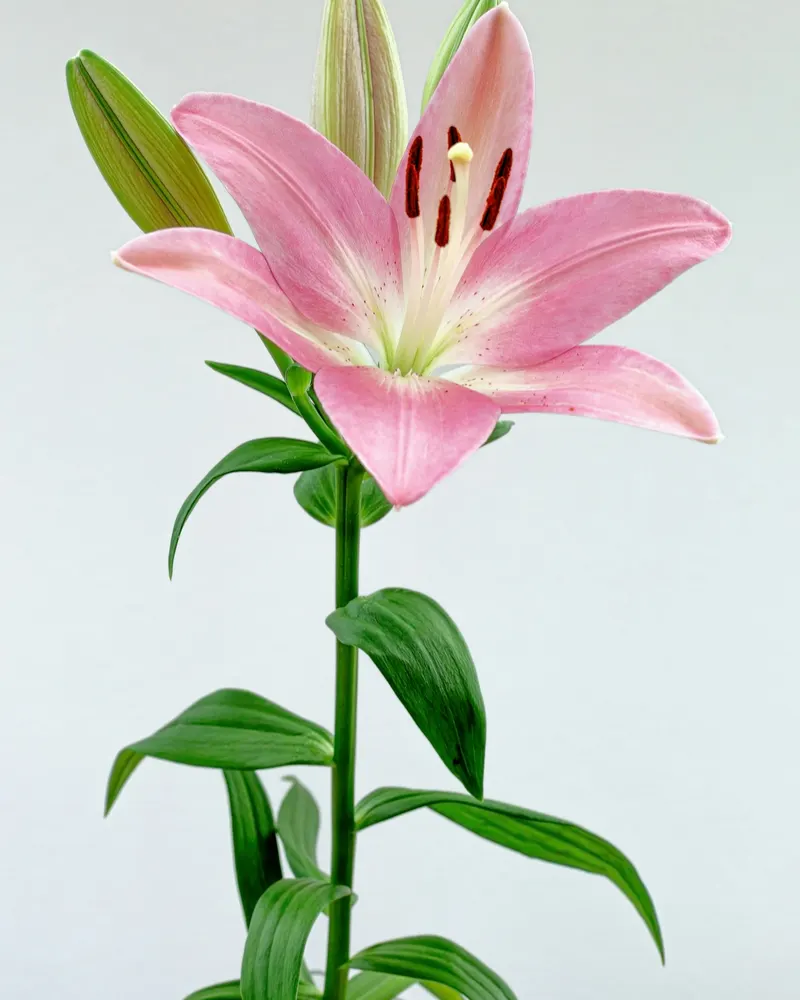
If you have a cat, don't bring lilies (the genus Lilium) into your home at all, not even in a bouquet.
According to the University of California, Davis, all plants in the Lilium genus should be considered extremely hazardous to cats. The toxin is in the whole plant. It can be enough for a cat to:
- bite a piece of a leaf or petal,
- lick pollen off its fur or paws,
- drink water from a vase holding lilies.
Lilies can cause kidney failure in cats. For the Easter lily, the ASPCA lists vomiting, loss of appetite, lethargy, kidney failure and possible death.
UC Davis says that without treatment, kidney failure is very likely within 36 to 72 hours, so get your cat to a vet immediately, not once it seems ill. The ASPCA notes that cats are the only species known to be affected this way by this lily.
Setting up your home
- Before buying a new plant, look it up in the ASPCA database. Search by the Latin name, since common names vary.
- Put toxic plants you want to keep where your pet can't reach them. With cats that's hard, because they jump almost anywhere.
- Clean up fallen leaves and trimmings straight away.
- If you don't know what plant you have, the Blooma app can identify it from a photo, and then you can check it in the database.

Sources
- ASPCA: Toxic and Non-Toxic Plants
- ASPCA: Spider Plant
- ASPCA: Calathea
- ASPCA: Phalaenopsis Orchid
- ASPCA: Boston Fern
- ASPCA: Baby Rubber Plant (Peperomia obtusifolia)
- ASPCA: Peace Lily
- ASPCA: Golden Pothos
- ASPCA: Dieffenbachia
- ASPCA: Aloe
- ASPCA: Snake Plant
- ASPCA: Poinsettia
- ASPCA: Easter Lily
- NC State Extension Plant Toolbox: Zamioculcas zamiifolia
- University of California, Davis: Lilies Deadly to Cats, Veterinarians Warn