
Houseplant care in winter
Less light, dry air from radiators and cold windows. What to change in your routine so your plants reach spring in good shape.
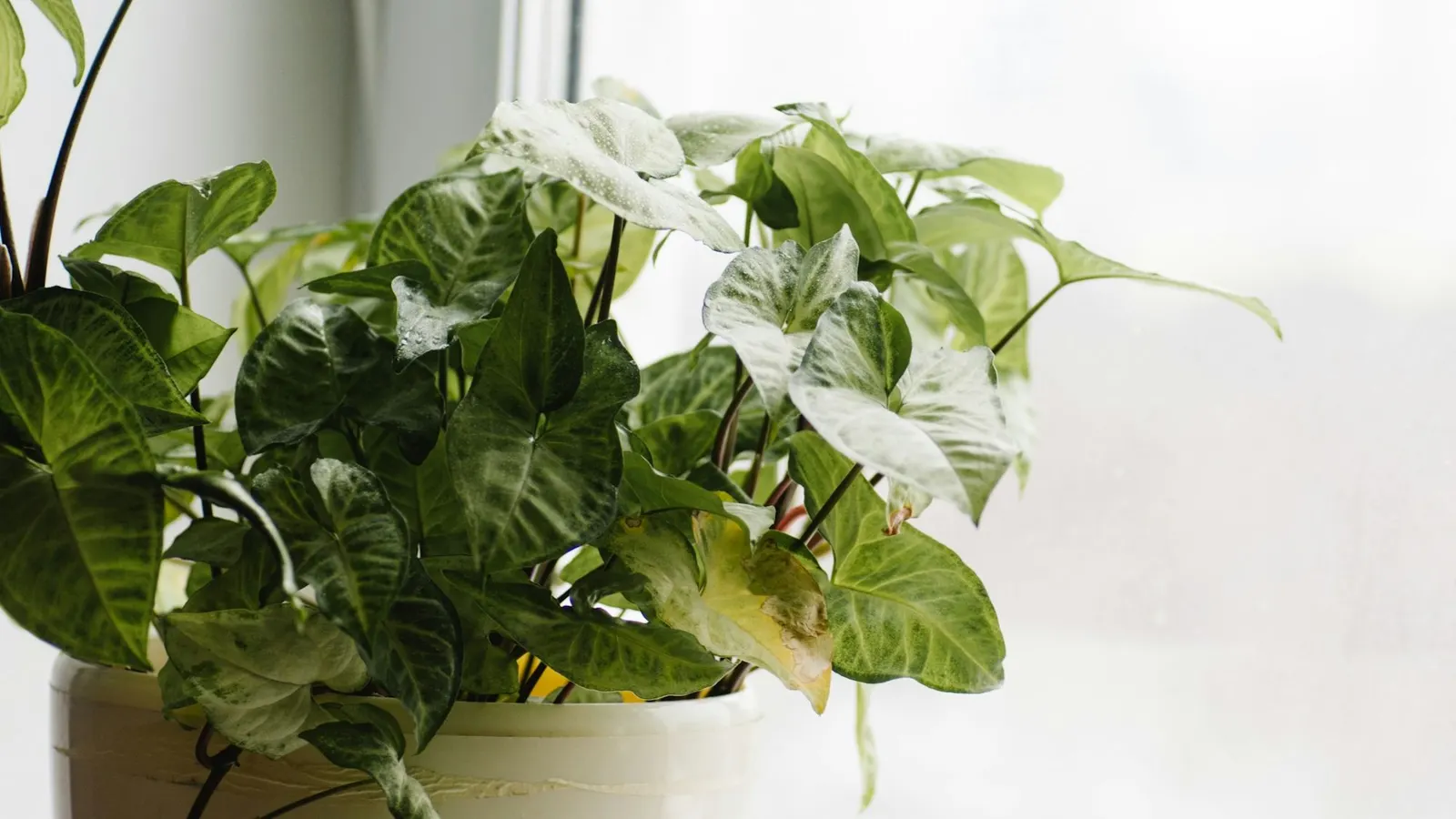
From November to February, houseplants have a hard time. Days are short, the sun sits low and the heating dries out the air in your flat. Plants respond by growing more slowly, and they need less water and fewer nutrients.
Most winter problems don't come from giving plants too little care. They come from caring for them exactly the way you did in summer. Here's what's worth changing.
Less light: move plants closer to the window
Light levels are much lower in winter, and with less light and lower temperatures plants grow less. The Royal Horticultural Society (RHS) suggests moving plants out of dark corners into a brighter spot, at least for the winter months.
How do you tell a plant is short on light? According to North Dakota State University, the sign is thin, spindly new growth. If you see it, move the plant to a brighter window, ideally a south-facing one.
The University of Kentucky also recommends turning pots every one to two weeks so every side gets light and the plant doesn't lean in one direction.
Water less often
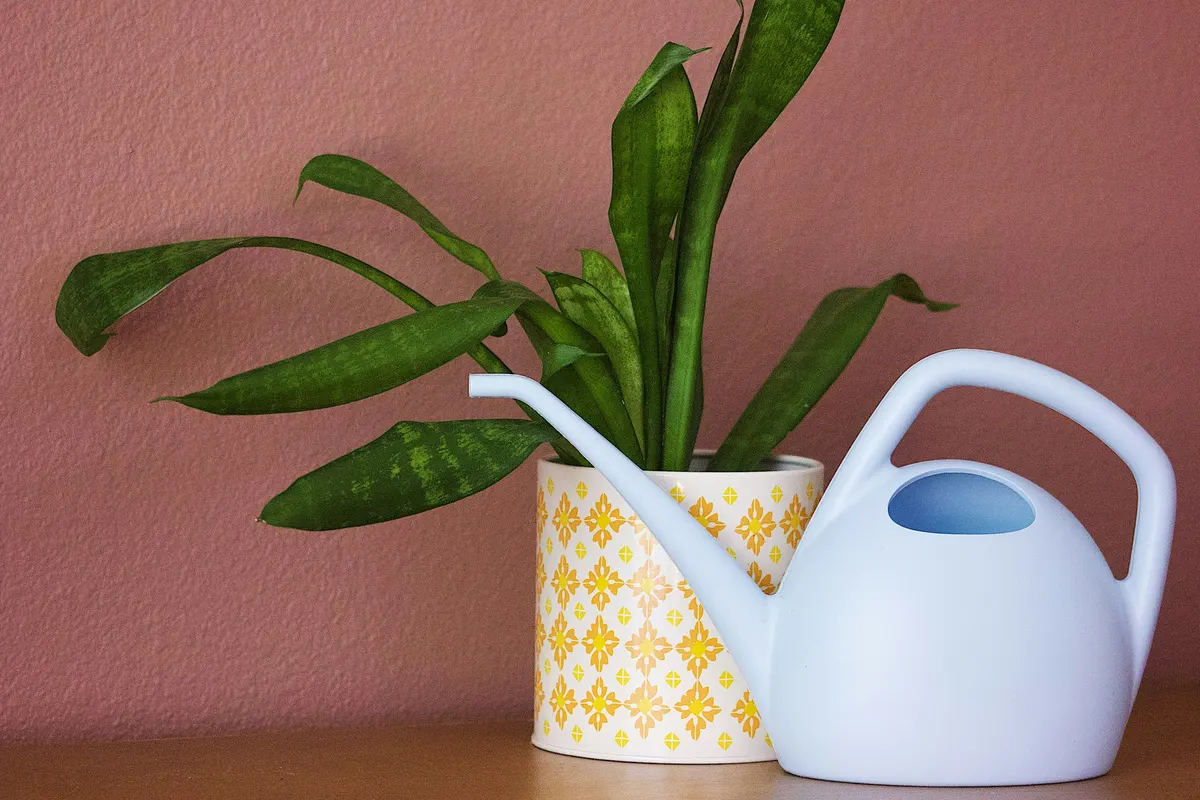
Slower growth means the plant uses less water and the soil stays wet longer. If you keep your summer watering rhythm, the soil stays soggy and the roots can start to rot.
So check the soil before every watering. The University of Kentucky suggests pushing a finger at least 2.5 cm (one inch) into the soil and watering only once it's dry at that depth. Then water thoroughly, until it runs out of the bottom.
The same source says some plants only need water every two to three weeks in winter. Treat that as a rough guide, not a rule. A plant next to a radiator dries out faster than one in a cooler room.
The RHS reminds you not to let plants sit in water. If your pot stands in a decorative outer pot, check it about 10 minutes after watering and tip out any excess.
For more on telling when a plant really needs water, read How to tell when your houseplant needs water.
Dry air from radiators
Central heating dries the air. According to North Dakota State University and the University of Kentucky, relative humidity in homes in winter often drops to 10 to 20%, while most houseplants prefer 40 to 50%.
Tropical plants feel it most. The RHS names ferns, calatheas, marantas and orchids, for example.
What you can do:
- Group plants together. Together they keep the air around them a little more humid.
- A pebble tray. Fill a tray with pebbles, add water and set the pot on top. The bottom of the pot must sit above the water line, otherwise the roots stand in water.
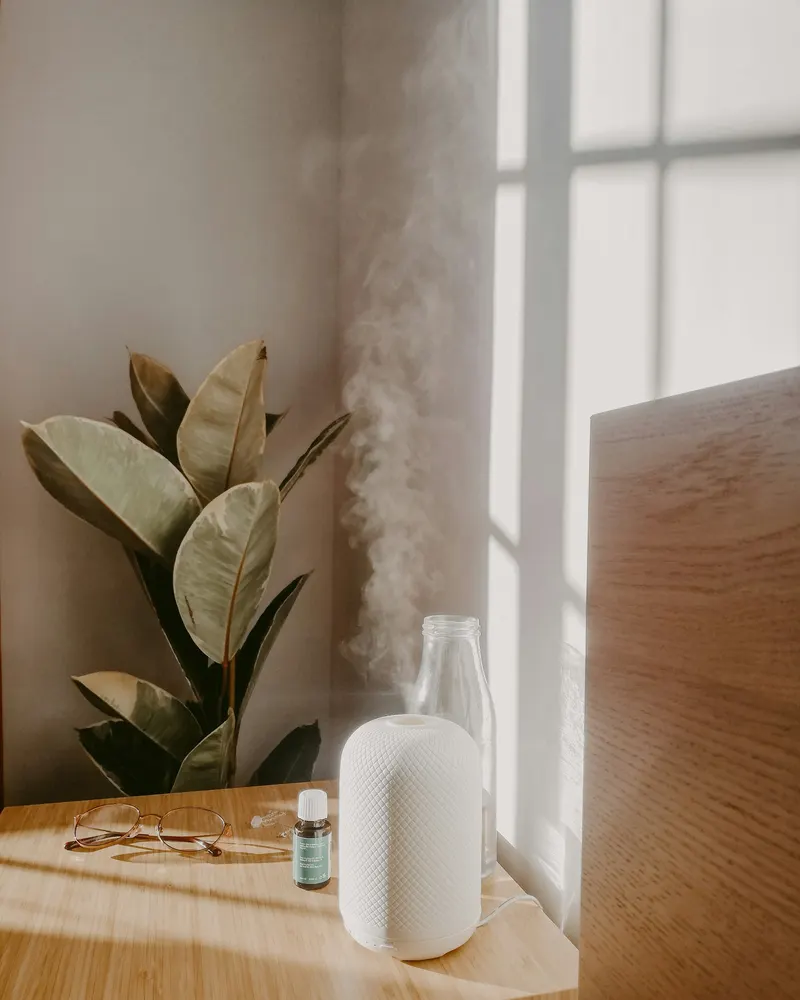
- A humidifier. If you have one, put it near your plants.
- A bright bathroom or kitchen. If there's enough light there, humidity-loving plants will be happier.
And above all, don't put plants right above a radiator or in front of a vent blowing warm air.
Cold windows and drafts
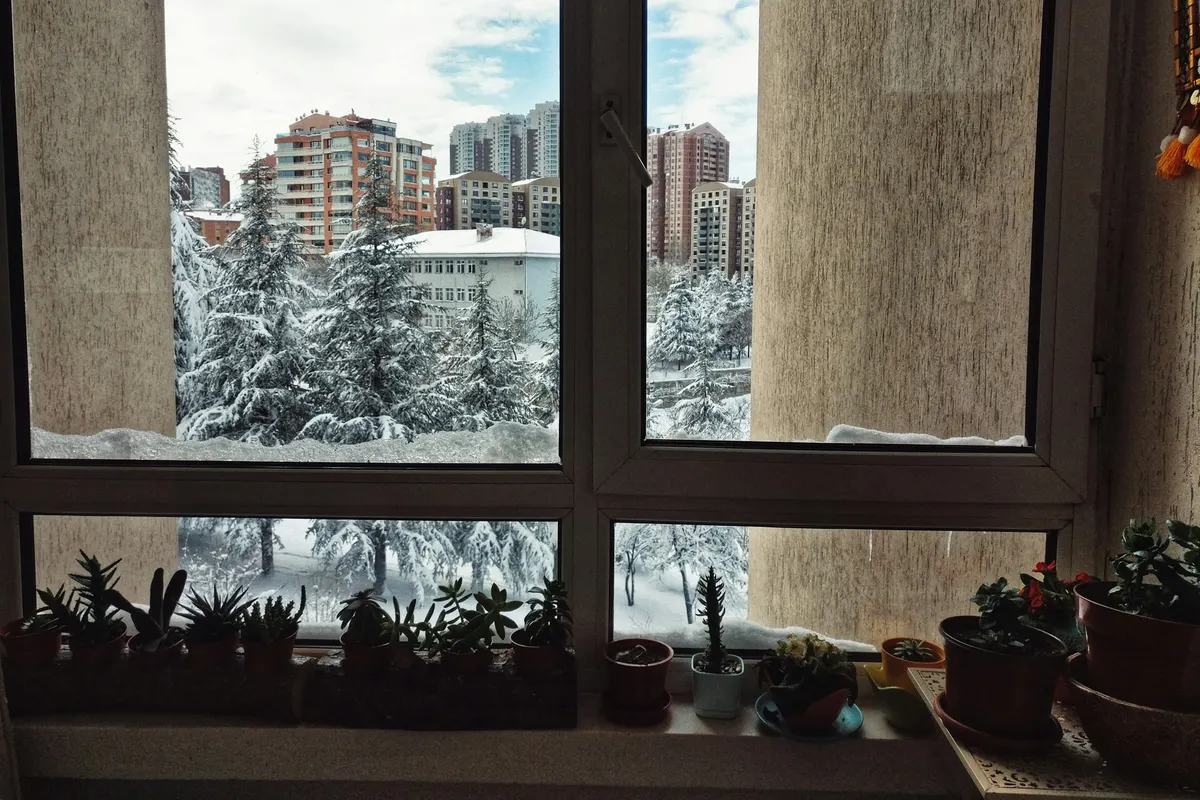
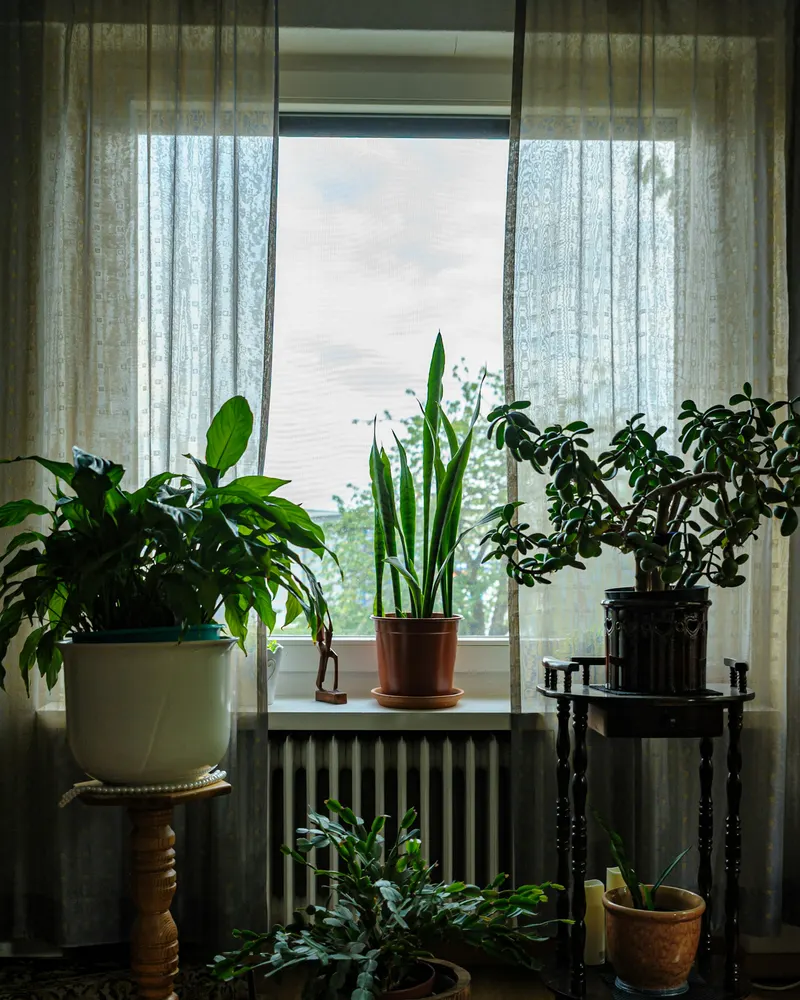
The windowsill is the brightest spot in the flat in winter, but it can also be the coldest. North Dakota State University advises keeping leaves from touching cold glass and keeping plants away from outside doors where cold air comes in.
It puts the comfortable range for houseplants at roughly 18 to 24 °C (65 to 75 °F) and notes that quick temperature changes can make plants drop leaves.
In practice that means two things. When you air the room, move sensitive plants away from the open window.
And if you close thick curtains at night, a plant left between the curtain and the glass sits somewhere colder than the rest of the room. Move it inside for the night.
Leave fertilizer until spring
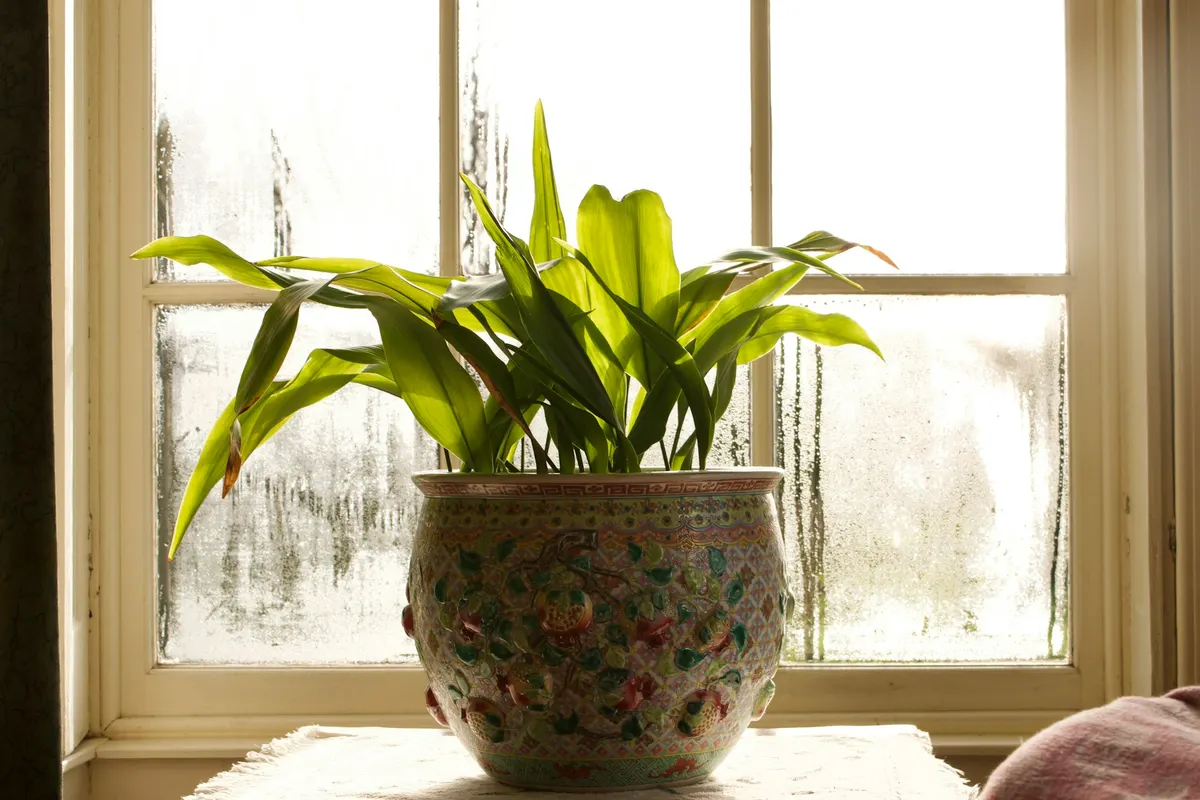
Most houseplants don't need feeding in winter. North Dakota State University and the University of Kentucky both recommend stopping in autumn and starting again in spring, when plants grow actively.
The RHS talks about "little to no feeding" over winter. The exception is plants that grow or flower in winter, such as amaryllis.
If a plant looks weak in winter, more fertilizer won't help. Check whether it gets enough light and whether you're overwatering it.
Watch out for pests
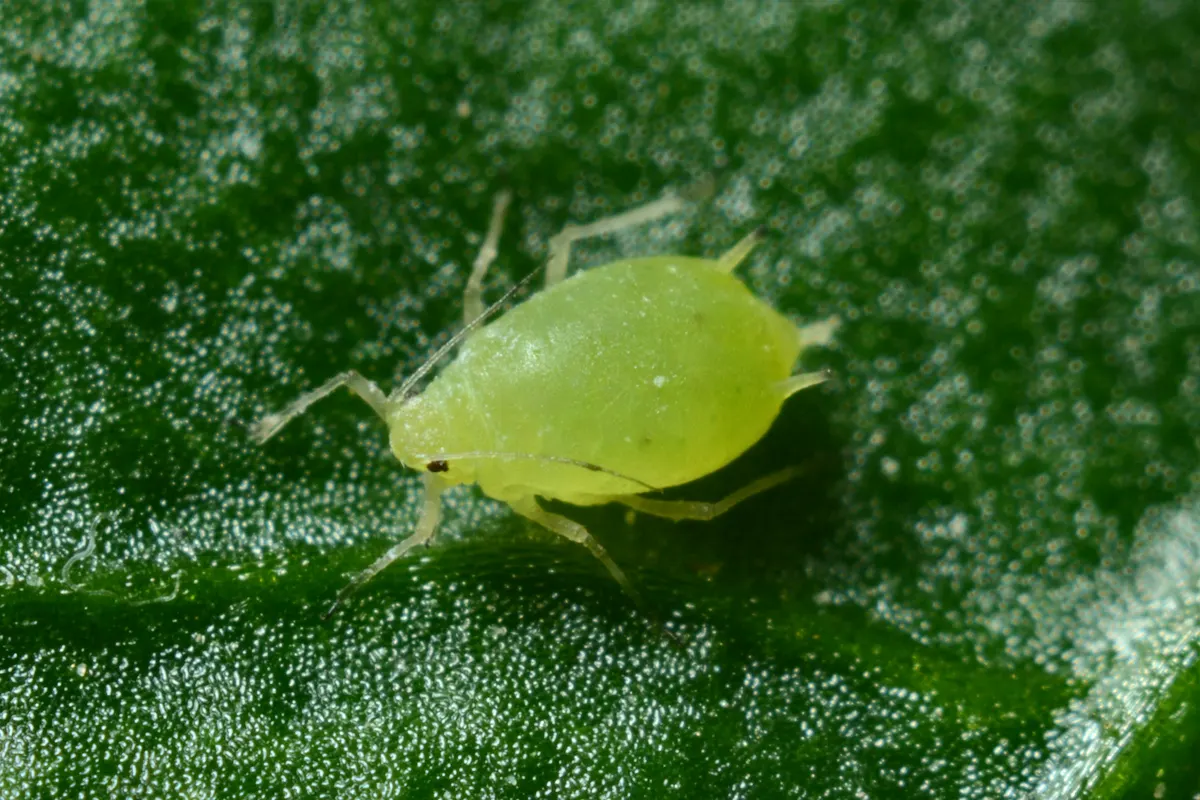
Warm, dry air suits some pests. The University of Kentucky notes that aphids, scale and spider mites become more common in winter. When you water, look at the undersides of leaves and along the stems.
In short
- Move plants closer to the light and turn them.
- Water only when the soil is dry, and less often than in summer.
- Raise the humidity and keep plants off the radiator.
- Keep leaves off cold glass and out of drafts.
- Wait until spring to fertilize.
Sources
- North Dakota State University Extension: Dakota Gardener: Winter Houseplant Care
- University of Kentucky, Martin-Gatton CAFE: Keeping your houseplants happy during wintertime
- RHS: Beautiful winter houseplants and how to care for them
- Mississippi State University Extension: Selecting and Maintaining Poinsettias