
Houseplants for low light that cope with a dark room
Five plants that can handle a shady corner, and an honest look at where even they run out of light.
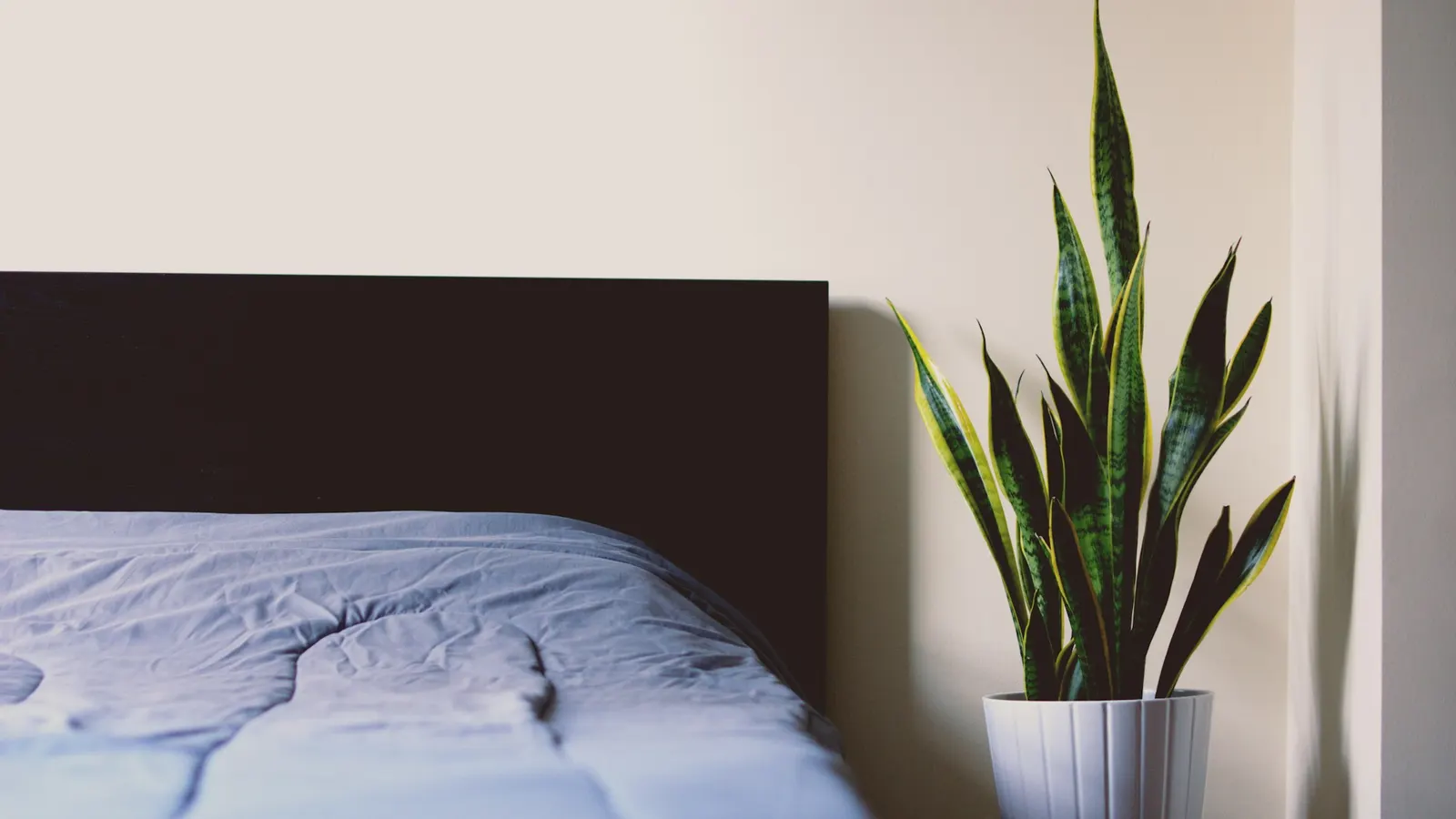
A flat with north-facing windows, a room behind a balcony, a corner far from the glass. Almost everyone has a spot like that, and almost everyone would like something green there. Some houseplants genuinely can handle it.
But let's be honest first: "low light" doesn't mean "no light". Plants make their energy from light. Without it, none of them last, not even the toughest.
How much light counts as "low"
Light is measured in lux or, in American sources, foot-candles. The sources don't fully agree on what "low" means.
The University of Illinois puts low light at about 75 foot-candles (roughly 800 lux), while Penn State uses 100 foot-candles as a baseline. Mississippi State University warns that below 50 foot-candles (roughly 540 lux) a plant won't survive for very long.
For context, Mississippi State notes that light can drop from 1,000 to 100 foot-candles within just a few feet of a window. They say plants are hard to grow in dim areas more than about 2.5 to 3 metres from a window.
According to the University of Illinois, low light roughly matches these spots:
| Window | Where "low light" is |
|---|---|
| North | a few feet from the window |
| East or west | about 1 to 3 m from the window |
| South | about 4.5 to 6 m from the window |
How to tell a plant isn't getting enough light
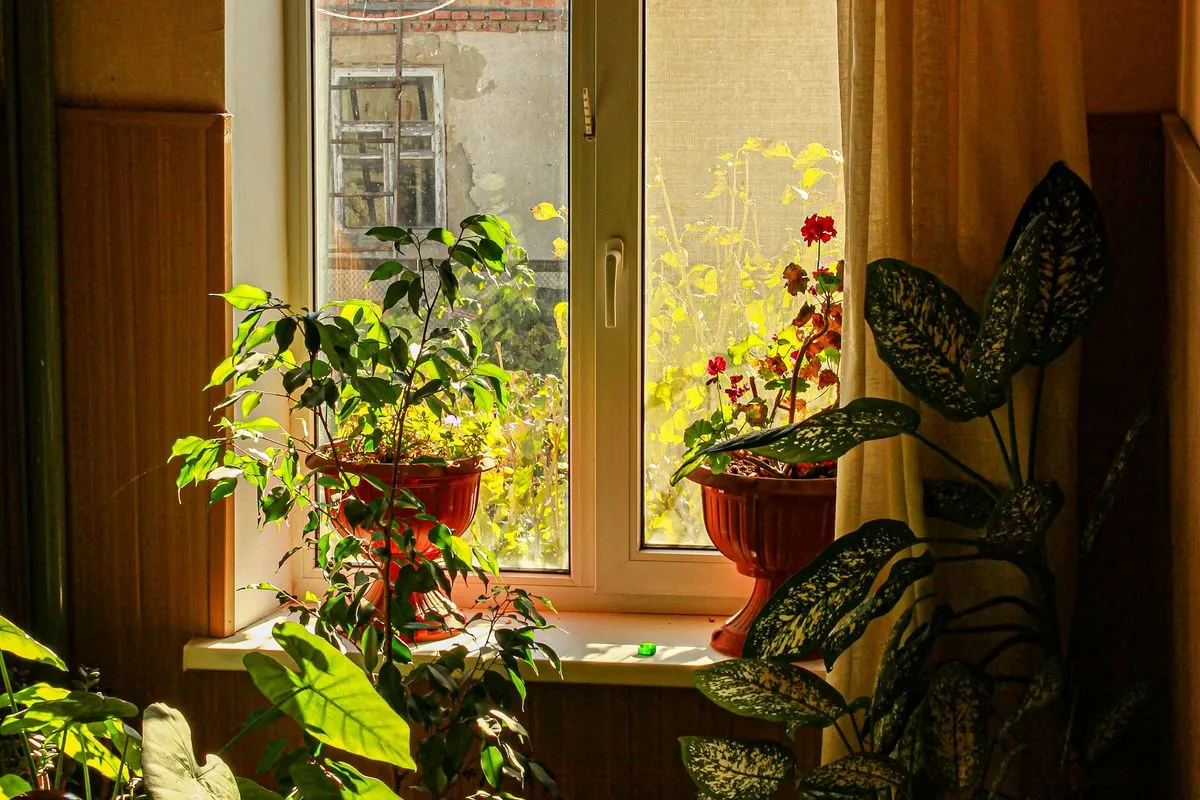
Mississippi State University lists these signs of too little light: yellowish-green leaves, the oldest leaves dropping, weak and thin growth, small new leaves and duller colours. For pothos, Clemson University adds that variegated varieties can lose some of their colouring in lower light.
If you see this, the plant is telling you it's at its limit. Move it closer to a window.
5 plants that cope with less light
ZZ plant (Zamioculcas zamiifolia)
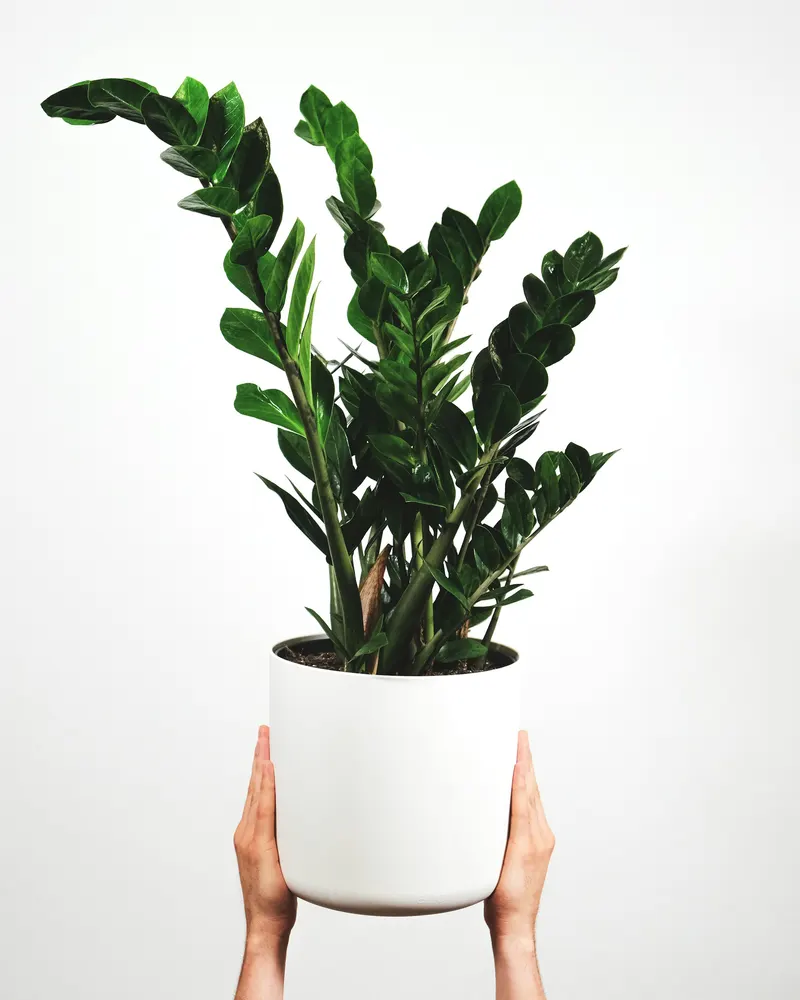
Clemson University says the ZZ plant survives in low light and is easy to grow in darker rooms. Bright, indirect light speeds up its otherwise very slow growth, though. It's happy anywhere except full sun.
It has thick rhizomes that store water, so it handles drought well. Clemson suggests watering once or twice a month, and only when the potting mix has dried out completely. Overwatering leads to root rot.
Snake plant (Dracaena trifasciata)
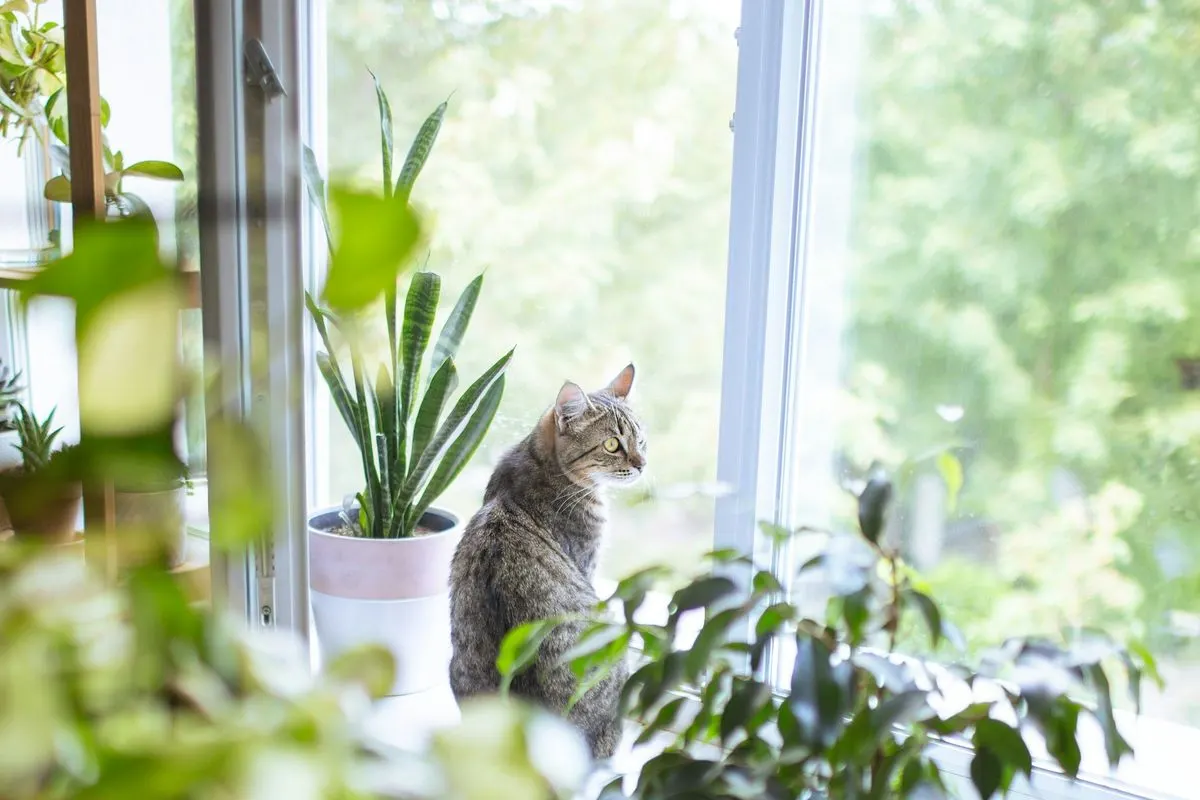
According to Clemson, bright indirect light is ideal for a snake plant. It tolerates low light but grows more slowly there and needs less water. Avoid hot, direct sun, which can burn the leaves. Penn State describes it as having a well-known reputation as a low-light plant.
Clemson recommends watering every 2 to 4 weeks in the growing season and every 4 to 6 weeks in autumn and winter. The less light it gets, the less often it needs water.
Pothos (Epipremnum aureum)
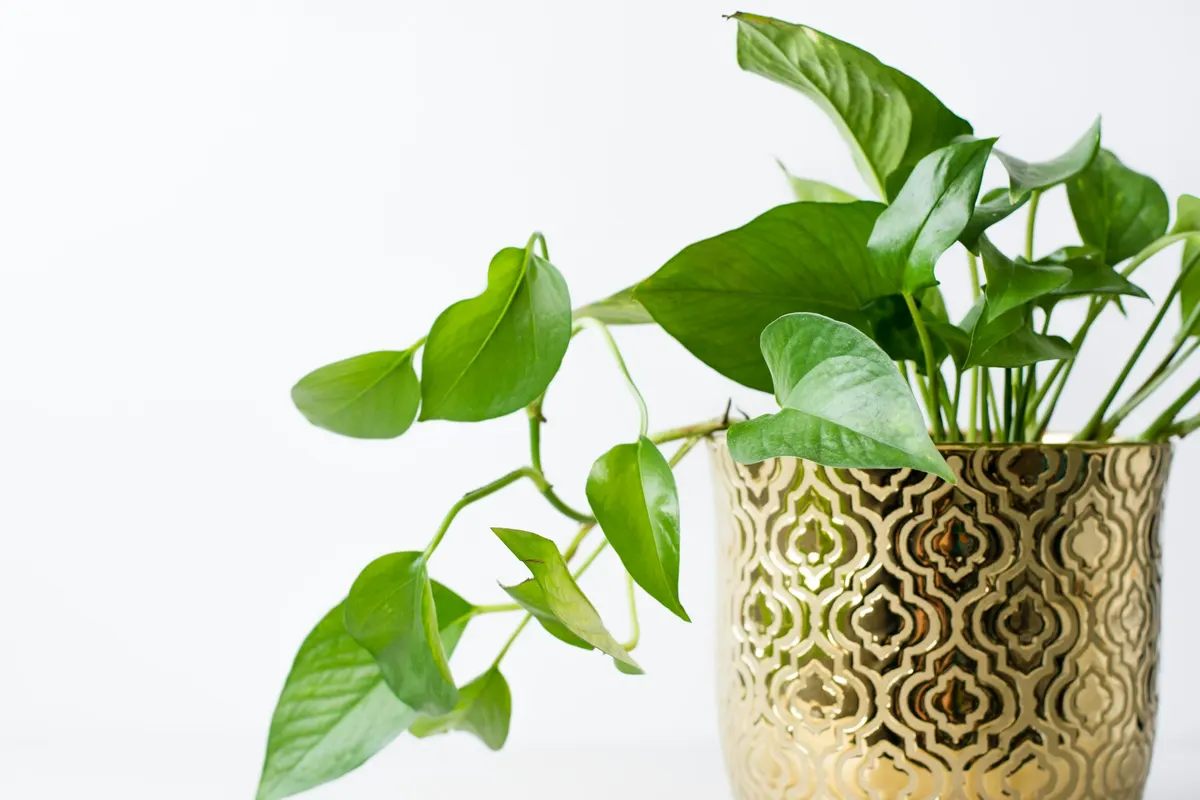
Clemson says pothos prefers bright, indirect light but tolerates lower light. In poorer light, variegated varieties can fade. Penn State mentions that the darker-leaved 'Jade' variety copes better with lower light. Let the soil dry out between waterings.
Peace lily (Spathiphyllum)
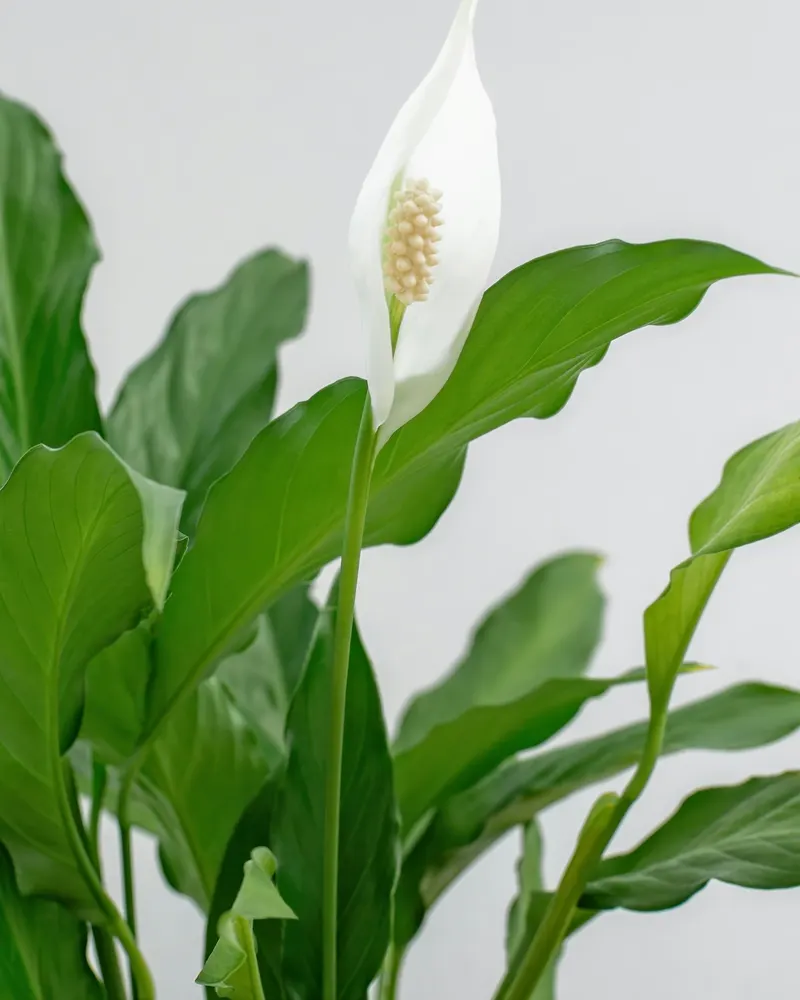
Clemson says peace lilies tolerate low light, although they grow best in bright, indirect light. They're one of the few foliage plants that can flower in low light. Keep them out of direct sun, which scorches the leaves.
This is where sources disagree. The University of Illinois lists it as a low-light plant, while Mississippi State puts it in the medium-light group. If yours won't flower in a dark corner, that may be why.
Unlike the others on this list, it doesn't like drying out completely. Clemson notes that it then wilts and its leaves turn yellow.
Cast iron plant (Aspidistra elatior)
The cast iron plant gets its name from how much neglect it can take. NC State University describes it as preferring partial to full shade and not tolerating direct sun. It grows slowly. Water it regularly from spring to autumn and sparingly in winter.
Watch out for pets and children
How to help a plant in a dark corner
- Water less. In low light a plant grows more slowly and uses water more slowly. Clemson says this explicitly for the snake plant. More in How to tell when your houseplant needs water.
- Give it a light break now and then. Mississippi State suggests occasionally moving plants from dim spots to better light for 4 to 8 weeks.
- Add artificial light. The University of Illinois says that in low light it helps to extend the lighting to 14 to 16 hours a day, but not more, because plants need a rest period.
If leaves are turning yellow on a plant in a dark corner, see also Why houseplant leaves turn yellow.
In short
- ZZ plant, snake plant, pothos, peace lily and cast iron plant cope with less light, but not with darkness.
- Even these do better in bright, indirect light. In shade they survive and grow slowly.
- Less light means less water.
- If you have pets, the cast iron plant is the safe choice from this list.
Sources
- Mississippi State University Extension: Care and Selection of Indoor Plants
- University of Illinois Extension: Houseplants: Lighting
- Penn State Extension: Low-Light Houseplants
- Clemson Cooperative Extension, HGIC: ZZ Plant (Zamioculcas zamiifolia)
- Clemson Cooperative Extension, HGIC: Exciting Houseplant Selections for Beginners
- Clemson Cooperative Extension, HGIC: How to Grow Pothos Indoors
- Clemson Cooperative Extension, HGIC: Peace Lily
- NC State Extension Plant Toolbox: Aspidistra elatior
- ASPCA: Snake Plant