
How to keep houseplants alive while you're away
How long they'll last without you, where to move them, wicks and self-watering pots, and why you shouldn't drown them before you go.
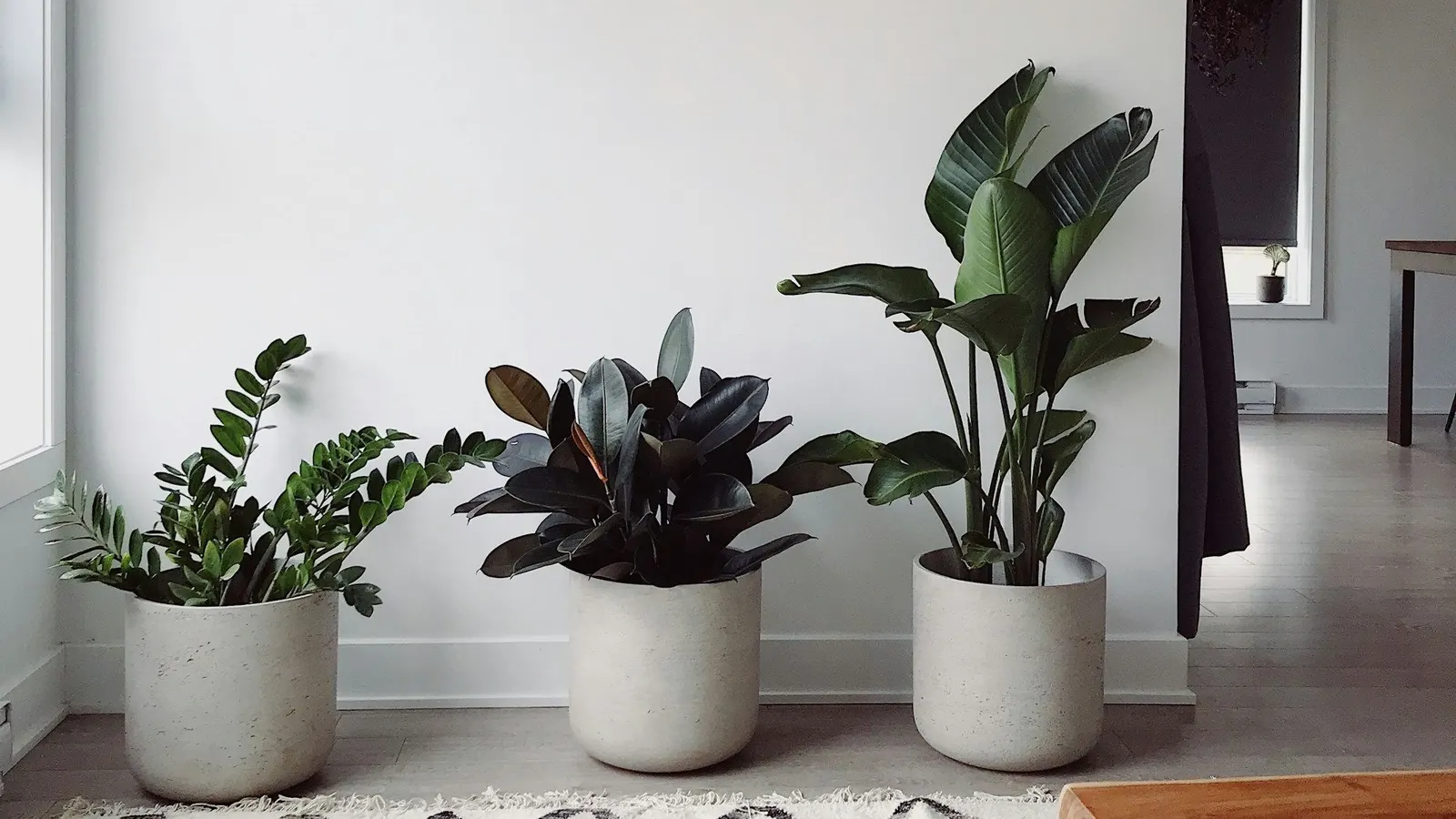
Over Christmas a lot of people head off to family or the mountains for a few days, and the plants stay home alone.
The good news is that most of them cope without much preparation. The real damage usually happens when someone worries too much and waters so heavily before leaving that the plants sit in water for a week.
Here's what actually helps, depending on how long you'll be gone.
How long they'll last without you
The Royal Horticultural Society (RHS) says most houseplants can handle a few days without attention. For longer trips it's worth setting something up.
Winter is easier: the RHS says houseplants can then be left for a week or two with no attention at all. The condition is that the temperature at home doesn't fall below what each plant can take.
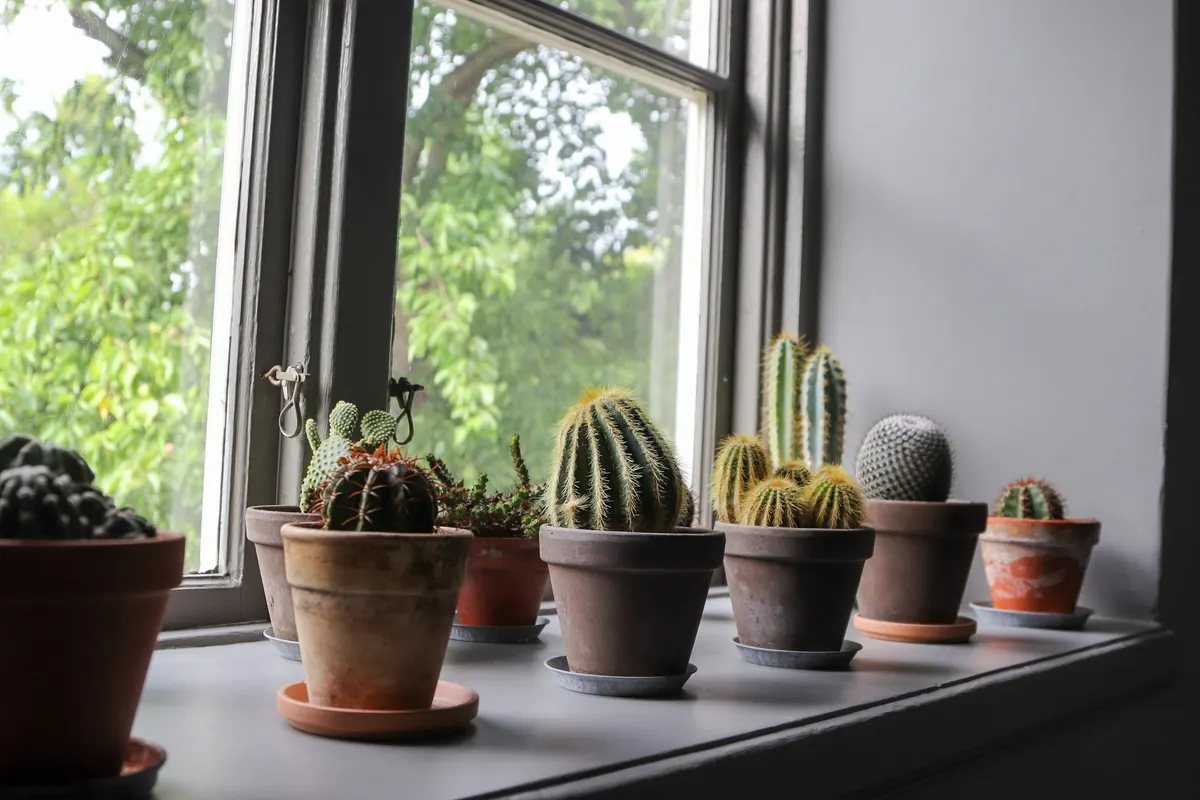
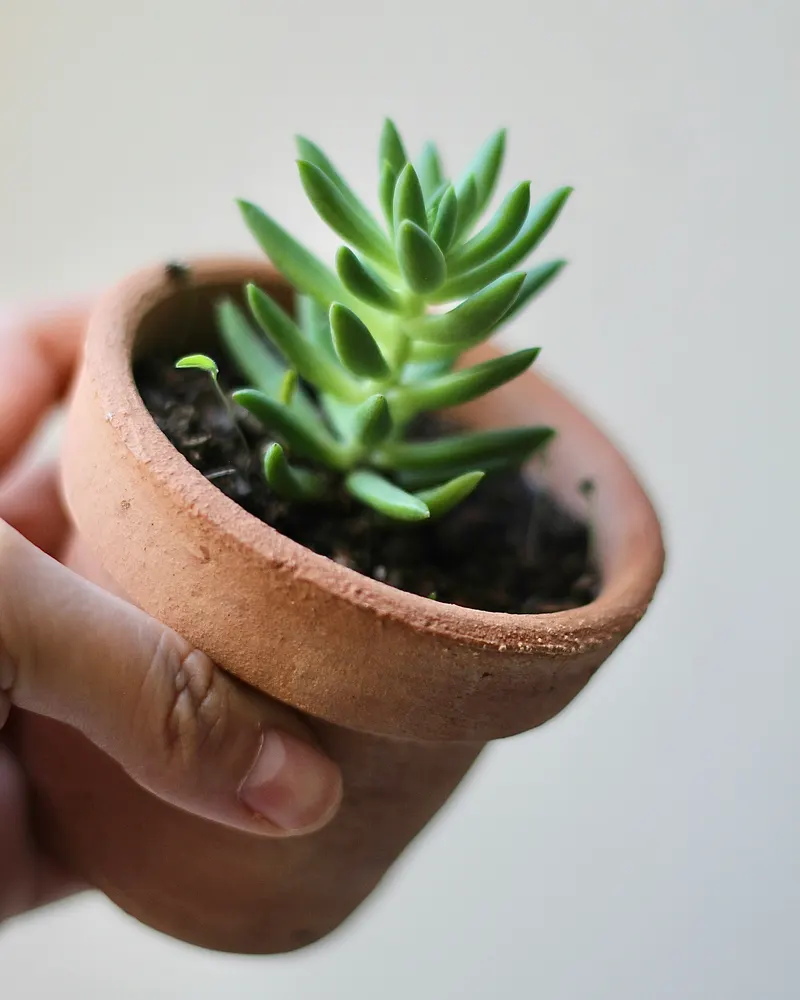
Cacti and succulents are the exception. They handle dry spells much better and don't need any special preparation.
If you'll be away for more than a couple of weeks, the RHS suggests asking a neighbour, friend or relative to come and water.
Before you leave
Water them, but don't drown them
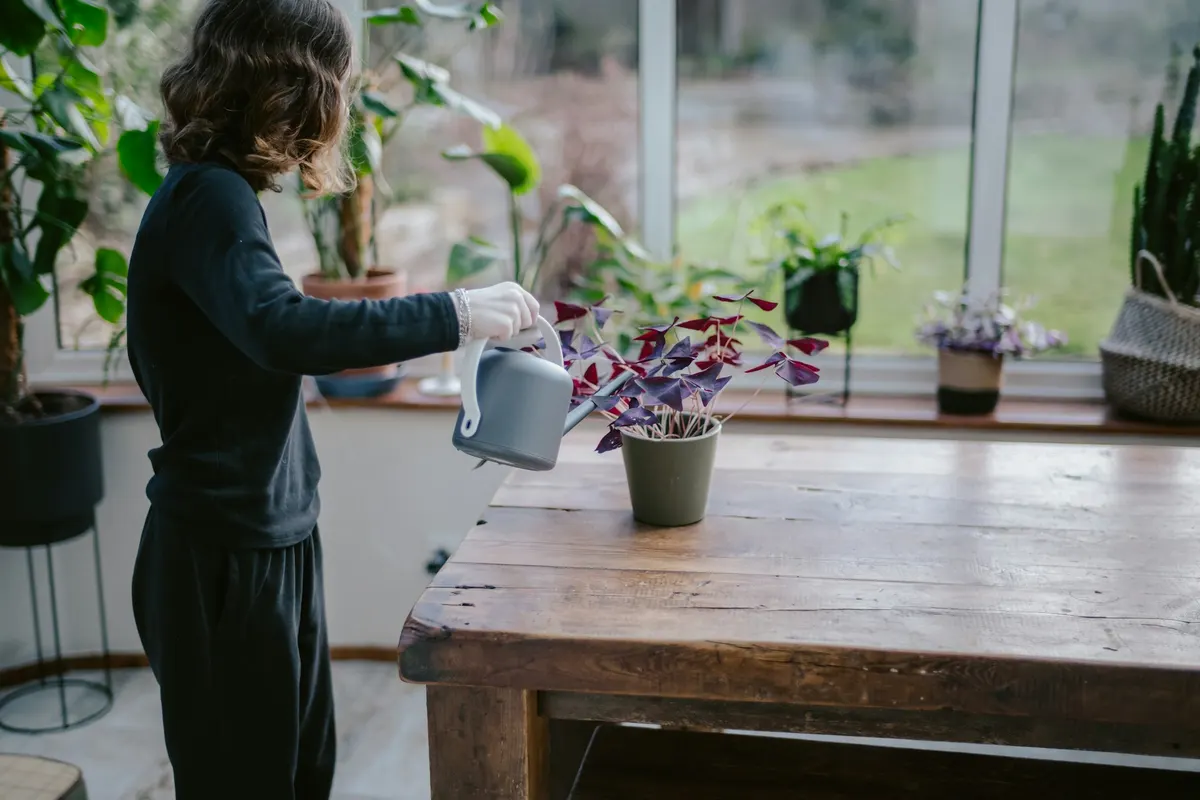
Give your plants a good watering before you go. For winter absences the RHS adds one important detail: the compost should be moist, not waterlogged.
After watering, let the water drain and empty the saucer and outer pot. A plant sitting in water for days can start to rot, and the RHS mentions grey mould as one result of overwatering.
If you're not sure a plant needs water at all, check the soil first, as described in How to tell when your houseplant needs water.
Move them away from windows and radiators
The warmer and brighter the spot, the faster a plant uses up water. Both the RHS and the University of Saskatchewan suggest moving plants to a cooler room, or at least out of direct sun.
In winter, the RHS also recommends moving them away from cold windows. University of Nebraska Extension warns against keeping plants on or near radiators and heating vents.
Group them together
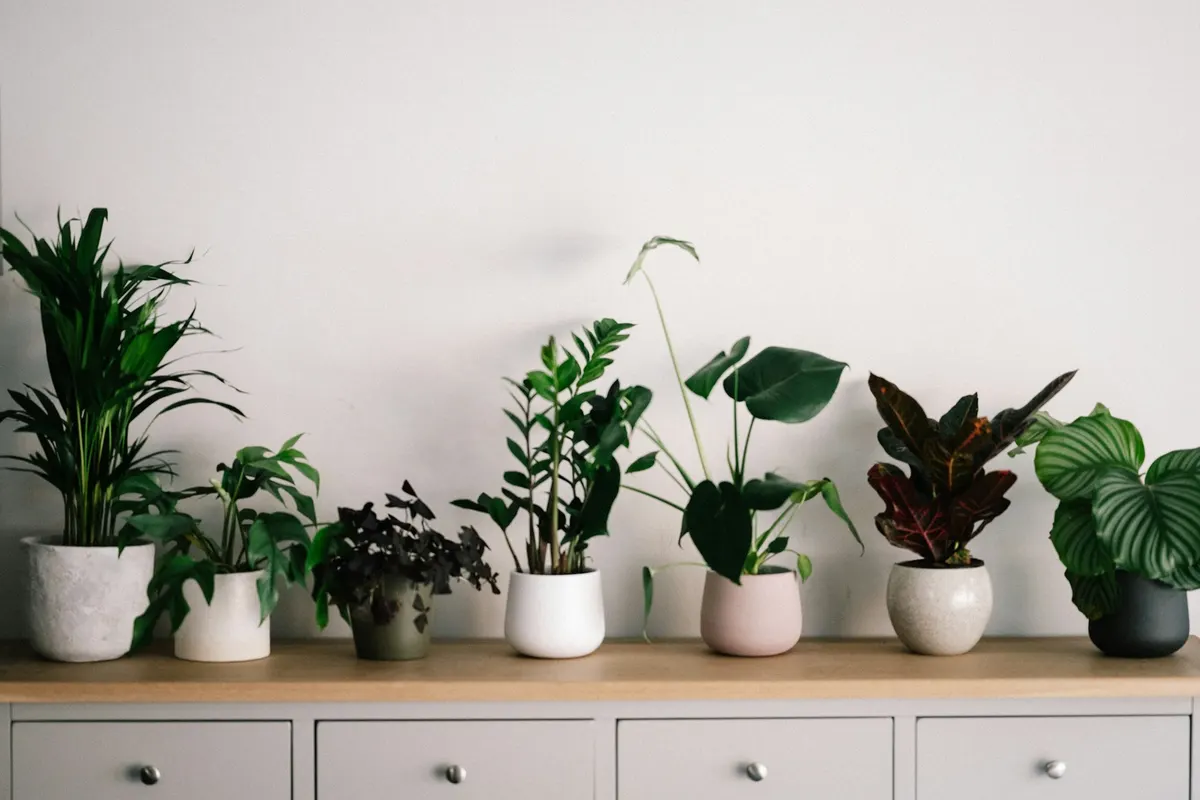
Plants standing close together raise the humidity around each other's leaves. Both the University of Illinois and Nebraska Extension point this out. With dry air from the heating, that helps.
Small and clay pots dry out first
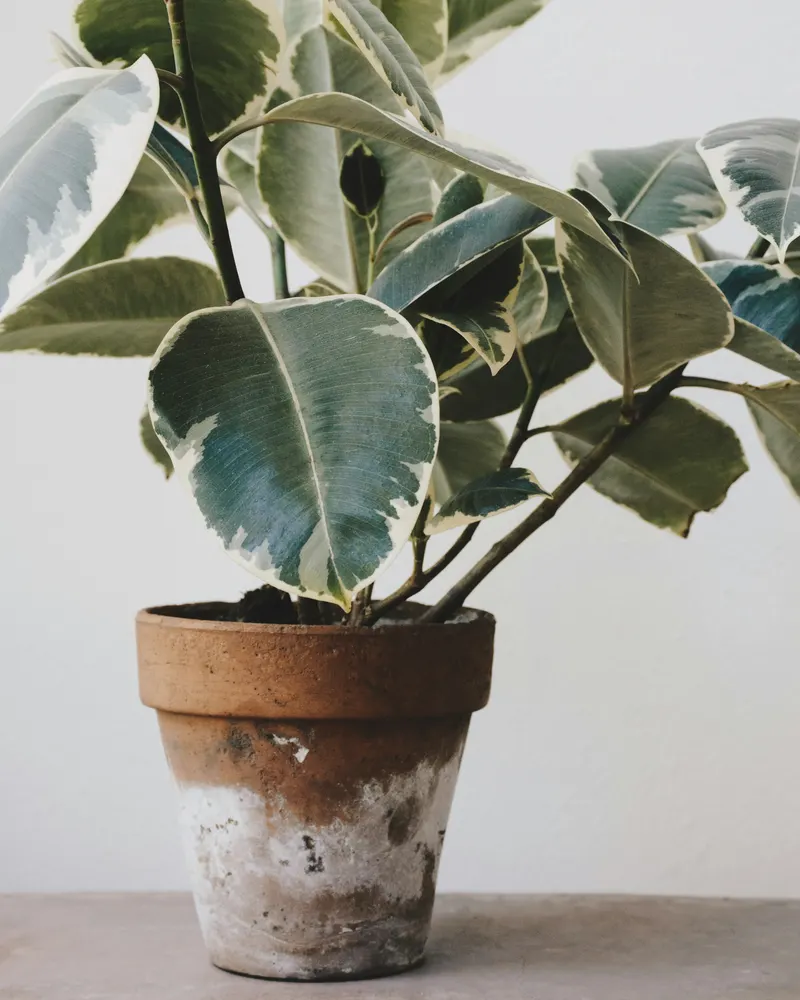
The University of Saskatchewan notes that clay (terracotta) pots dry out faster than plastic or glazed ones, and small pots faster than big ones. Check those last before you leave, and on a longer trip give them one of the setups below.
Setups for a longer trip
Wick from a water container
Put a large container of water next to the plant. Dip one end of a wick into the water and push the other end deep into the pot. Water slowly travels up into the soil.
The University of Saskatchewan suggests a 1/4 inch (about 6 mm) cotton string, or a twisted 1 inch (about 2.5 cm) strip cut from an old cotton T-shirt. The RHS uses capillary matting.
The RHS warns about two common problems: a small container runs dry before you're back, and a wick that isn't tucked in well slips out of the pot. So try it out a few days before you leave, as the University of Saskatchewan recommends.
Capillary matting for lots of small pots
Lay capillary matting on the draining board next to the sink, with one end in water in the sink. Set the pots on the wet matting and press them down slightly so they make good contact. That's how the RHS describes it.
The pots need a drainage hole, and the soil has to touch the matting.
A clear plastic bag
You can cover a plant with a clear plastic bag held up by sticks so it doesn't touch the leaves. The moisture the plant gives off stays inside.
The University of Illinois describes a version where you stand the bagged plant in a shallow tray of pebbles and a little water, and says it should last 7 to 8 days. The RHS recommends covers like this only for short absences.
Self-watering pots
A pot with a water reservoir at the bottom feeds moisture into the soil over time. The RHS sees it as a long-term option for plants that like constantly moist soil, though, not a holiday fix. Repotting a plant just for a week away isn't worth it.
What not to do
- Don't leave plants standing in water. The University of Illinois says plainly that pots shouldn't sit directly in water. A sink full of water with the pots in it for a whole week is how roots end up rotting.
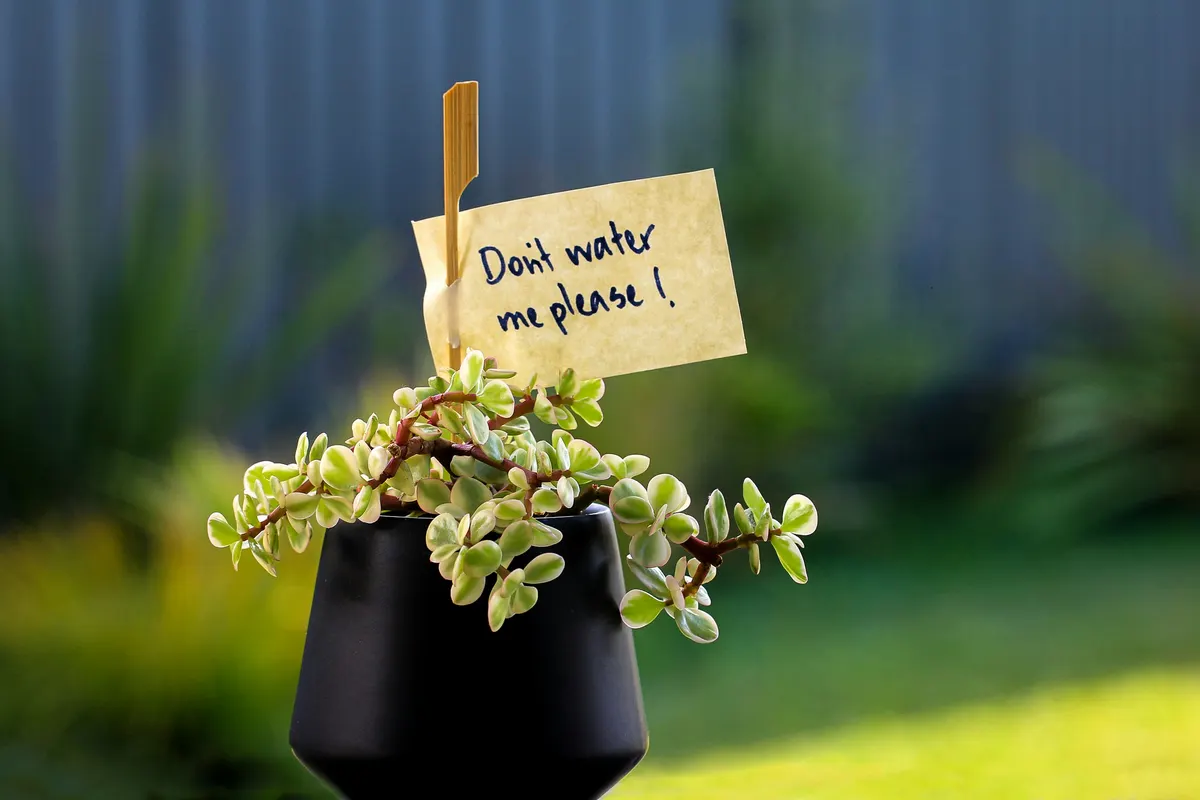
- Don't water "extra" to make it last. More water before you go doesn't mean the plant lasts longer, just that the soil is soggy.
- Don't give cacti and succulents a wick. They handle drought well and don't need wicks or extra water.
- Don't try a new method for the first time on the day you leave.
In short
- For a few days: water well, let it drain, and move plants away from windows and radiators.
- For one to two weeks: group the plants, or use a wick or capillary matting.
- For longer: ask someone to come and water.
Sources
- RHS: Houseplants: holiday care
- RHS: How to grow phalaenopsis
- University of Saskatchewan: Watering houseplants while on vacation
- University of Illinois Extension: Houseplant care
- University of Nebraska-Lincoln Extension: Success with Houseplants: Humidity